BEHIND THE BRAND
Protecting Brand Integrity
by John Stika
April 2026
The value Certified Angus Beef delivers to Angus producers is anchored in the trust consumers around the world place in it to provide a consistent, great-tasting beef experience. As the saying goes, “Trust takes years to build, seconds to break, and forever to repair.”
Protecting the brand’s integrity has been a core pillar since 1978. Integrity is so foundational that the brand was built around the premise: with integrity, nothing else matters, and without it, nothing else matters.
This means continually monitoring and governing the use of the brand’s logo and trademarks and ensuring only product from properly certified carcasses are packaged, distributed, and presented to consumers as the Certified Angus Beef ® (CAB) brand.
Confidence in the box
Brand protection is initiated when cattle are delivered to any of more than 40 packing plants licensed to produce CAB in the United States and Canada.
On respective sides of the border, graders for the USDA Agricultural Marketing Service and the Canadian Beef Grading Agency (CBGA) adhere to the brand’s live animal Angus eligibility requirements and only certify carcasses that meet our 10 science-based specifications as CAB.
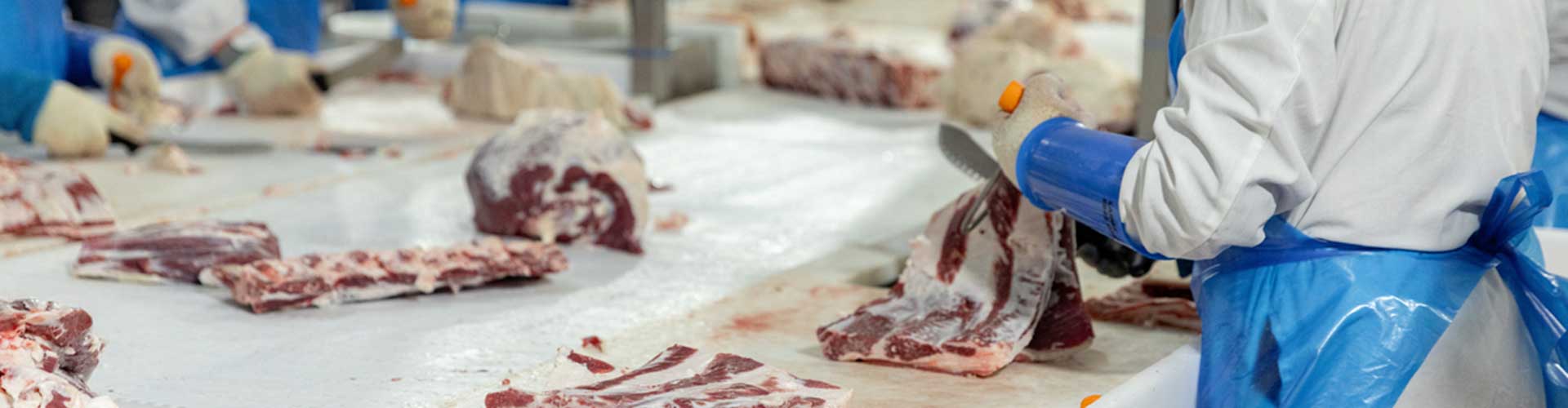
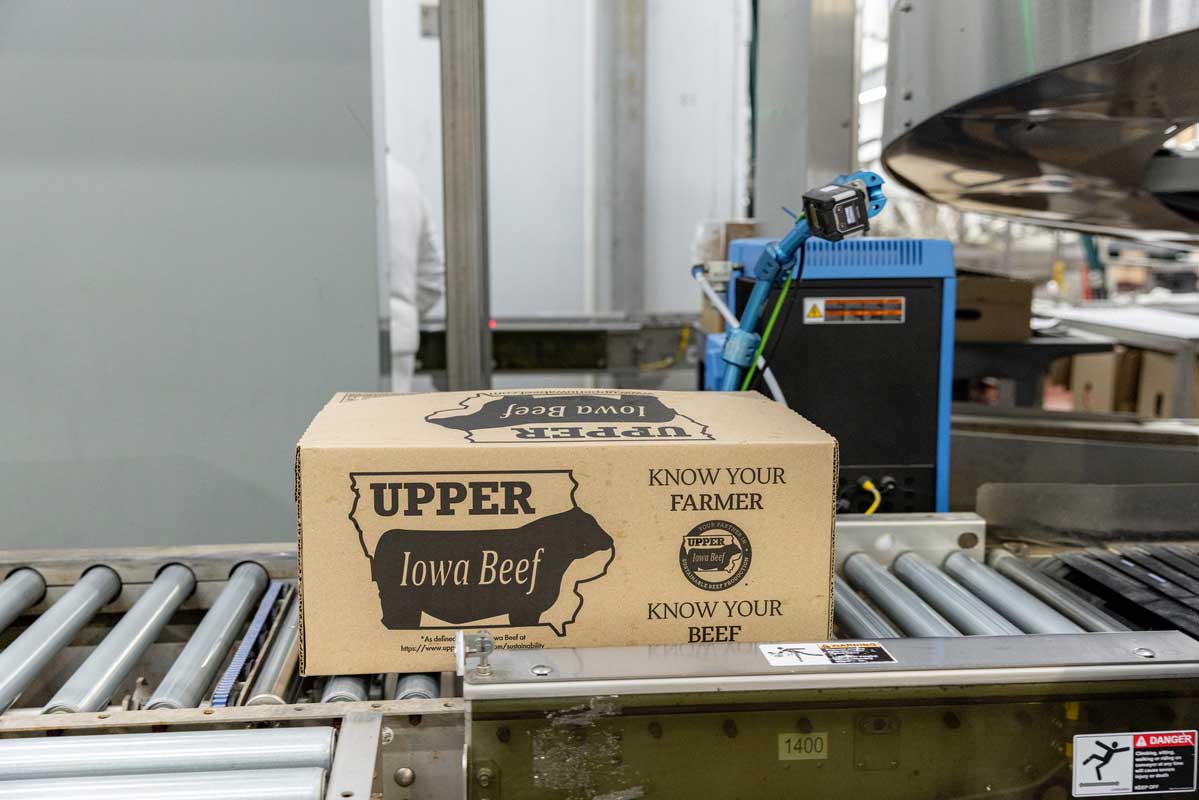
Once certified, CAB and CAB Prime carcasses are sorted in the cooler and railed off separate from each other and other commodity grades. While still under USDA and CBGA supervision, certified carcasses move from the cooler to fabrication. To maintain brand integrity, any shift on the fabrication tables to a different quality grade or program requires clear separation in time and space, during which all brand labels and packaging materials are updated. Simply put, this system has proven effective in ensuring only cuts from carcasses that qualify for CAB are the ones that make it into a CAB labeled bag and box.
Tracking every pound
From there, it would be easy to lose track of product as it makes its way to more than 14,500 CAB partners, including further processors, distributors, grocery stores, and restaurants across 55 countries. However, our internal tracking system holds our licensed partners accountable for marketing and selling our product.
While any business may buy CAB, only “licensed” partners can promote the brand. In exchange for the opportunity to leverage the brand’s value and resources, licensed partners must report their specific product sales to us.
Our team then audits every level of distribution from the packer to end user (i.e., prior to the consumer) for every pound sold as CAB. The main goal is to verify a partner is not selling more CAB product than it has purchased, in which case, it would not all be CAB and stands to undermine consumer brand trust.
Additional audits examine trademark or purchasing issues, primarily among restaurants. We work to correct any issue where “Certified Angus Beef” or the logo is used incorrectly (i.e. Certified Black Angus) or without our approval. The most common issue is when an unlicensed restaurant promotes the brand on its menu. These are always opportunities to educate and often moments to encourage licensing and purchasing of the advertised CAB item.
Our team identified and addressed 900 brand integrity issues last year. This method of intense data management is key to making sure we don’t undermine consumer trust. It’s how we maintain value to our partners and grow demand for high-quality Angus genetics. It’s also how we collect the appropriate commissions for our product, which funds the brand. More on that next month.
Submit questions or comments to John online.
Behind the Brand is a monthly column published in the Angus Journal.
You may also like
Jett Stream to Prime
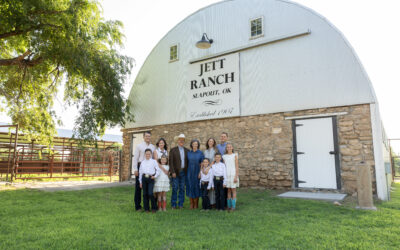
In the Oklahoma Panhandle, four generations built a herd defined not by the odds against it, but by standards never lowered. That commitment drove decades of genetic and management improvements, taking Jett Ranch from struggling to reach Prime to more than 70% Prime today, and earned the ranch the 2026 CAB Commercial Commitment to Excellence award.
Nebraska Feedyard Recognized for Excellence
Motivation starts the feed truck before sunrise, keeps going through adversity and drives pursuit of the next goal.
It has more than fueled daily routines for Terry Beller. It’s helped his family and crew build the multigenerational Beller Feedlot into one long-known for customer service and high-quality beef.
The Capstone Approach to Modern Cattle Feeding
Taking aim without a target is like fishing without bait. It just doesn’t work. The cattle market lures with premiums for targets hit, but the bar keeps rising. Getting better in this dynamic setting takes detailed feedback. Capstone Beef provides that to its commercial customers with report cards that track progress and reveal needed change.