
Big Picture focus guides farm, CAB
by Hannah Johlman
Don Schiefelbein’s role on his family’s registered Angus farm near Kimball, Minn., is all about managerial and financial oversight. That’s why he’s comfortable looking out for the Certified Angus Beef ® (CAB®) brand’s future while serving as chairman of its board of directors.
“It’s important that we continue to push the envelope,” he says, “and make sure what was successful back in 1978 when we began continues to be what makes us successful as we go forward.” Schiefelbein says.
The same holds true back on the farm, which made high-quality beef a priority from its beginning with 50 cows and 170 acres in 1955. Today nearly 60 family members work to run 850 registered females, farm 5,600 acres and feed out 25,000 purchased customer cattle each year, everyone bringing their own special talent to the operation.
“Dad grew the farm as he grew his family,” Schiefelbein says. One of his father’s requirements was that each of his nine sons must leave the farm for four years before returning. “Even then, when you came back you didn’t just come back automatically. You had to come back with a plan of how you would add value to the operation.”

“My job there directly impacts Certified Angus Beef,” Schiefelbein says. First, he aims to keep improving the registered bulls. “Once they are out in the commercial industry, we want to purchase their calves back and share the reaped benefits of what those genetics do in value-added programs like CAB.”
Back when carcass data collection seemed like the brand’s main producer focus, the Minnesota breeder worked on submitting the farm’s data to the American Angus Association. Since then, he says he’s enjoyed watching the brand grow and emerge as a dominant force in the industry.
“From those beginnings, I just got involved through having a complete understanding of what Certified Angus Beef does and really wanting to get more hands-on in the direction of the program,” Schiefelbein says.

While serving on the American Angus Association board, he recently chaired a committee on long-term planning for CAB.
“We have been adopting strategies and beginning to focus our efforts on a strategic path five years down the road, and that is what it is going to take for CAB to continue to be successful,” he says. “Our job is to make sure we look at key areas and ensure progress is being made on an annual and quarterly basis, to make sure we are following the path that we said we were going down at the onset of strategic planning.”
Progress can be made in many areas, from optimizing CAB’s presence in the natural market to exploring avenues of greater source verification, he says.
“I think it’s important after all the success we’ve had, that we keep pushing the envelope, and that’s still the right business approach today,” Schiefelbein says.
CAB President John Stika considers the Minnesotan an excellent “brand chairman.”
“He never claims to have all the answers,” Stika notes, “but he sure has the ability to ask the right questions when it comes to strategically planning for the future.”
You may also like
Eye on the Target
Regardless of a producer’s goal, each genetic decision takes you a step closer or further from achieving it. Targeting the Brand is a tool for cattlemen pursuing quality gains, helping commercial producers know and best leverage the value of their Angus cattle on sale day.
Defining the Margins of Quality
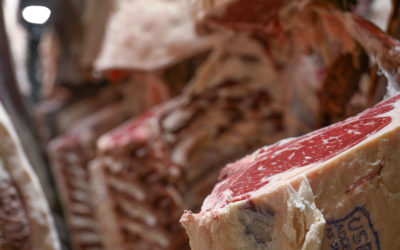
Driven by genetic selection and improved management, carcass quality has advanced significantly, most notably through more marbling. Yet, with nearly two-thirds of Angus-type carcasses falling short of brand standards, understanding why is critical to balance the economic incentives of added weight against CAB® product size and consistency requirements.
Brand Production Beyond Borders
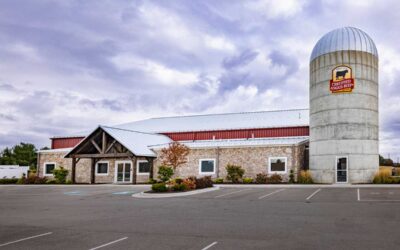
Domestic or international, the objective has remained clear over the years: to access additional CAB® carcasses to support growing domestic and international demand, without compromising product quality and consistency, brand integrity, and value to Association members.