Worth the wait, without losing weight
I captioned the Instagram photo, “A winter wonderland,” with the little heart-eyed emoji.

That seems so, so long ago.
“Arctic blast” is the Montana weatherman’s word du jour for the past month, and it’s not letting up. We’re not alone – our friends and neighbors in the Dakotas have been hit far worse. But still. Negative 20 degrees, not including wind chill, is cold. Very cold.
Years ago, Todd learned battling the worst of Montana winter was just not worth the weight calves might gain in that extra month before they leave the Belt, Montana Willow Creek Ranch to journey to Nebraska for finishing. They pushed calving season back a month to start in February now, and never skipped a beat in weaning weights.
“On those really cold years, those calves born in January – well, the March calves always seem to catch up to them at the end of the year,” he said. “In those cold years, those calves just didn’t perform as well. We didn’t run one cow through the barn last year, and the calves will be heavy because of it.”

Ryan Loseke has received those Willow Creek calves for the 18 years Todd has managed the ranch.
“They’re just good, rugged, mountain cattle,” Ryan says. “Todd’s quick to get on the phone and stay in touch through the feeding phase. He wants to know if there are health problems and if there are things we need to do.”
Setting the cows up for success is the first step in getting calves that do well on the ranch and beyond.
“The bottom line is, if we take care of the cows, we’re going to have less sickness in the calves down the line,” Todd says. “We have to take care of the cows. That’s where it starts. They’re the money makers.”

Calves are pre-conditioned a month prior to shipping. Their program includes a Pyramid 5 and Preponse, plus a Vision 8 with somnus and de-wormer. Cows are on a killed vaccine, but they do a live vaccine for the feeder calves.
“I just found through the years that two weeks doesn’t seem to be enough, based on what I see in the replacements we keep,” Todd says.
“The biggest thing on those big groups is a health advantage,” Ryan says. “They work well and get those pre-condition shots in them a month before they get here. That’s where we can impact health at the feedyard, is getting them set up for success with an immunization program at the ranch.”
You can learn more about the Willow Creek Ranch in the January 2017 edition of the Angus Journal.

And despite the arctic blasts that have followed me from the Montana mountains to my Nebraska homelands, I will keep on claiming winter as my favorite season. Living in it might take a touch more planning and plenty of intestinal fortitude, but this thick-skinned-Swede wouldn’t trade it for anything. Fortunately, black cattle are easier to spot in whiteout conditions, too.
Until next time,
Laura
 Laura Nelson is based in Big Timber, Montana, where she writes, captures images and tells farming and ranching stories. She’s a former CAB Industry Information Specialist who became passionate about the brand and the pursuit of high-quality beef while working at the company headquarters in Ohio. Then wide open spaces, small-town living and those beautiful Crazy Mountains woo’d her back west.
You may also like
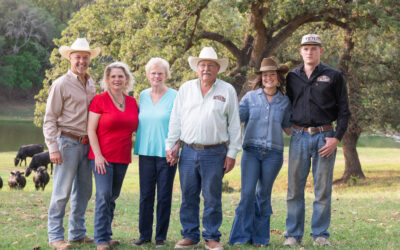
Texas Ranch Received CAB Ambassador Award
Visitors to 2 Bar C Ranch near Luling, Texas, often describe the quiet first. That peace reflects low-stress cattle care, seedstock bred for the whole beef chain and a family that opens its gates, earning the 2026 CAB Ambassador Award.
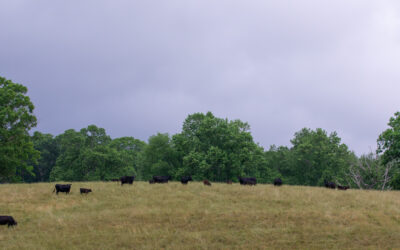
Built For the Long Haul
Thirty-one inches of rain in 48 hours tested Biltmore Estate’s 130-year commitment to remain a profitable, working agricultural estate. Through Hurricane Helene recovery and high-quality Angus genetics, Biltmore stewards its land, livestock and community, earning the 2026 CAB Sustainability Award.
Jett Stream to Prime
In the Oklahoma Panhandle, four generations built a herd defined not by the odds against it, but by standards never lowered. That commitment drove decades of genetic and management improvements, taking Jett Ranch from struggling to reach Prime to more than 70% Prime today, and earned the ranch the 2026 CAB Commercial Commitment to Excellence award.