Who knows?
The shelves of my home and every nook of my mind are filled with little details, mementos, hand-written cards and trinkets that take me to another time and place in a glance or a touch.
There’s that hand-embroidered “I love Angus” tea towel that still takes me back to Bobi Hall’s smile as she recalled riding the Point Reyes coastal mountains to gather cattle with her dad; a crinkled United Airlines ticket that occasionally falls out of the book I was reading on my way to Nampa, Idaho, to spend a day bouncing through the Owyhee Mountains; the “CAB Industry Information Specialist” name badge from my last Cattle Industry Convention in Nashville at the end of a special chapter of my professional life.
I wrap my hands around a hot coffee mug, a new favorite, as I scroll through photos of a cool fall afternoon near Circle, Montana. I smile back at the grins on the screen, bringing the words of our interview back to life.

The mug reminds me of that evening around the Massars’ table, surrounded by their family and friends. It was their parting gift to me, even though I had the most to be grateful for. They had already shared an evening meal full of easy laughter and homemade, hearty food. They offered their afternoon in front of my camera, smiling despite the wind. Wade drove me around the ranch, answering my questions, sharing his goals, history and passion for raising the best.
Pulling the mug out of my kitchen cabinet now prods a question Wade asked as we visited: “Why us?”
The easy answer is, we follow a myriad of paths to find stories and the people who share them – this one came through a feedyard. It was a group of 82 heifers, where 45.5% had the marbling to qualify for the Certified Angus Beef ® (CAB®) brand, including nearly 4% Prime. Half made Yield Grade (YG) 3, with 43% in the premium, YG 2 category.
Those numbers – nearly double the average historical CAB acceptance rate combined with an impressively lean yield grade – stuck out to the feedyard manager.

A year later, there I was, asking Wade Massar how he did it.
His was a typical, humble response: we don’t feel like we’re doing anything special, simply working to do the best for the entire beef business.
“We’re just trying our best to raise the right kind of cattle for the good of the entire industry,” Jeanna filled in later. “We just want to raise better calves each year, to give the right vaccines at the right time, to have healthy, productive cattle and those long-term relationships that work for everyone.”
It’s an admirable goal, filled with details toward its achievement that I hope will get tucked into the memories of the Angus Journal readers this May.
Who knows how a reader’s gears will start turning over their own marketing plan when they read about Wade’s experiences.
“That right there shows a 6-cent premium because somebody thought these calves would meet their program. They were confident enough they would work,” he shared. “I know we talked earlier and said everything was on the average, but it really isn’t if you get to know the right sort of people, looking for the right sort of thing.”

Who knows what reader has been wrestling with immunity issues, who might read of Wade’s insight and have a lightbulb moment.
“There are areas here where I know it’s absolutely necessary to supplement this or that,” he said. “We tend to have high sulfate levels in some of our water, and that ties up copper, which is very, very necessary to build up a strong immune system in calves.”
Who knows? That’s the answer I usually give when I’m questioned why in the world I keep all these little boxes and files of sentimental value. Who knows when I’ll need that again?
I sure don’t… but I’ll save it until I do, and pull it out with a smile.
Until next time,
Laura
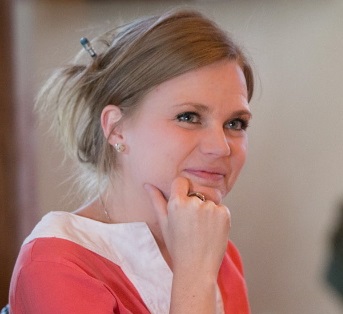 Laura Nelson is based in Big Timber, Montana, where she writes, captures images and tells farming and ranching stories. She’s a former CAB Industry Information Specialist who became passionate about the brand and the pursuit of high-quality beef while working at the company headquarters in Ohio. Then wide open spaces, small-town living and those beautiful Crazy Mountains wooed her back west.
You may also like
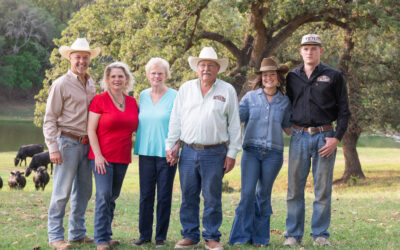
Texas Ranch Received CAB Ambassador Award
Visitors to 2 Bar C Ranch near Luling, Texas, often describe the quiet first. That peace reflects low-stress cattle care, seedstock bred for the whole beef chain and a family that opens its gates, earning the 2026 CAB Ambassador Award.
Built For the Long Haul
Thirty-one inches of rain in 48 hours tested Biltmore Estate’s 130-year commitment to remain a profitable, working agricultural estate. Through Hurricane Helene recovery and high-quality Angus genetics, Biltmore stewards its land, livestock and community, earning the 2026 CAB Sustainability Award.
Jett Stream to Prime
In the Oklahoma Panhandle, four generations built a herd defined not by the odds against it, but by standards never lowered. That commitment drove decades of genetic and management improvements, taking Jett Ranch from struggling to reach Prime to more than 70% Prime today, and earned the ranch the 2026 CAB Commercial Commitment to Excellence award.