What grumps?
To some, that may seem like an odd comment, but I make it because I wonder why producers with questions about their feeding options don’t just call a feeder.
Not only are they not scary, they’re also generally very willing to help. Now in some circles, feeders are painted as profit-robbing, practically villainous beings just a step above a beef packer. (You may remember I had something to say about that, too.)
But back to the feeders. I visit with quite a few each year, and I’ve never met anything but good, hardworking, down-to-earth folks. My story trip last week built up my body of proof.
Meet the father-son combo of Gary and Lane Darnall. They welcome calls from ranchers at their feedyard in western Nebraska.

In fact, that’s usually how the whole process starts, with a phone call about whether or not it makes sense for them to send their cattle to the feedyard.
“We’ll start working on forecasting and what it looks like. We put together a snapshot of what we think those cattle will make money-wise and how we think they’ll perform based on what we know of those cattle or what the owner has told us of those cattle. That will probably stimulate a couple more phone calls,” Lane said.
And they welcome that, as Gary added, “We want to be honest with that rancher or that retained owner so he feels confident in that decision.”
So there are a couple of feeders who want to talk regularly with ranchers. That sounds the opposite of the curmudgeon some make that segment out to be.
Another person who is more of an antonym to that term would be Tom Williams of Chappell Feedlot.

I visited with Tom and his wife Cindy earlier that day and they echoed that spirit of customer service and total willingness to help. They talked about the way they sort cattle, the experts they work with and the data they return to those who place cattle with them.
But one thing I think any customer could appreciate is the passion he brings to his job.
“It’s easy for me to go talk to ranchers. It’s fun because I like cows and this way I get to work with a whole bunch of cowherds to some extent.”
And a whole bunch of customers, too. He aims to help them add more premiums to their pocketbook, but notes it’s about more than just extra black ink.
“It’s the pride. There isn’t a good cow person out there that isn’t damn proud of their cows.”
And he likes making sure they good reason to be.
May your bottom line be filled with black ink,
Miranda
You may also like
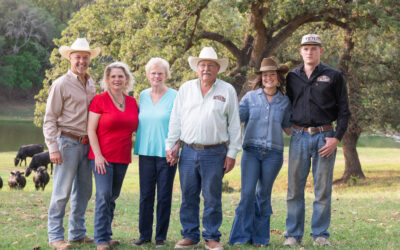
Texas Ranch Received CAB Ambassador Award
Visitors to 2 Bar C Ranch near Luling, Texas, often describe the quiet first. That peace reflects low-stress cattle care, seedstock bred for the whole beef chain and a family that opens its gates, earning the 2026 CAB Ambassador Award.
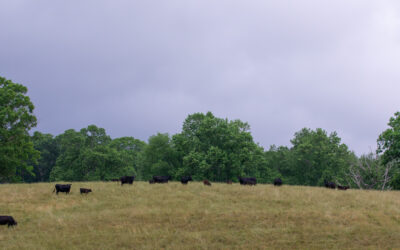
Built For the Long Haul
Thirty-one inches of rain in 48 hours tested Biltmore Estate’s 130-year commitment to remain a profitable, working agricultural estate. Through Hurricane Helene recovery and high-quality Angus genetics, Biltmore stewards its land, livestock and community, earning the 2026 CAB Sustainability Award.
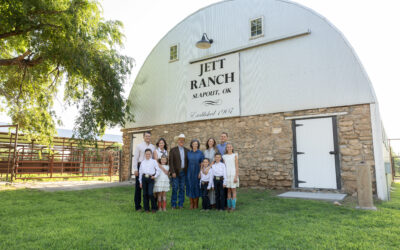
Jett Stream to Prime
In the Oklahoma Panhandle, four generations built a herd defined not by the odds against it, but by standards never lowered. That commitment drove decades of genetic and management improvements, taking Jett Ranch from struggling to reach Prime to more than 70% Prime today, and earned the ranch the 2026 CAB Commercial Commitment to Excellence award.