Trading Places, Part II
Part II: Quality always considered
“Let’s meet, say just before 5?” Chad Ellingson asks on the other end of the line.
It’s dark when we pull up to his family’s property near St. Anthony, N.D., and my headlights catch glimpses of the immaculate scene set before me. Fresh cut grass, well-fed horses, youngsters wiping their eyes, yet committed to the morning’s task.
 It’s a refreshing sight. For as much as the Ellingsons take advantage of the technologies of artificial insemination (AI) and embryo transfer (ET) for their registered herd of 550, they do just as much the old-fashioned way — on horseback, around the dinner table, with family.
“I wanted to be a rancher all of my life,” Chad says. “That was my dream. When you get to live that out next to your family, you have to step back and say, ‘There couldn’t be a better way to make a living.’ ”
 More than cattle people, Chad and his wife, Julie, were born to Angus; each with grandfathers who raised registered blacks in the 1950s. Their livestock reflect an attention to detail that goes far beyond making money and satisfying customers. They like what they do and they’re good at it, making all those early mornings and nights chasing the sun worthwhile.
“We think Angus cattle are pretty special,” Chad says. He has the data to prove it.
 In addition to the seedstock herd, the land and family support 250 commercial cows. They never let carcass potential out of their sight.
“I think you can breed cattle that are balanced from a maternal standpoint,” Chad says, “where the same cattle are earning quality marks on the rail.”
The rancher uses tools and technologies to breed a cow that will thrive and be efficient at home on the ranch, “but at the same time be the cow that produces a bull that will go and produce calves that are efficient in the yard and at the end of the day will hang a really high-quality carcass.”
He culls with that in mind. And this.
“When people think of a great eating experience, Angus beef is what they want on their plate, and we want to be involved with a breed that is important to the consumer.”
Sound familiar?
 Up with the sun, the Ellingson gang looks ready for what the morning will bring. Later, perhaps, there will be time for school and play, but settled in their saddles it’s obvious they would pick this spot every time.
“I think they realize they have the privilege of feeding the world,” Chad says.
Tomorrow we’ll follow along as Chad trades places with Dale Zimmerman and chefs Dusty and Alan. If you missed yesterday’s post about the restaurants, be sure to catch up here!
PS – to read more about Ellingson Angus and their commitment to quality no matter what, find the full Angus Journal story here.
You may also like
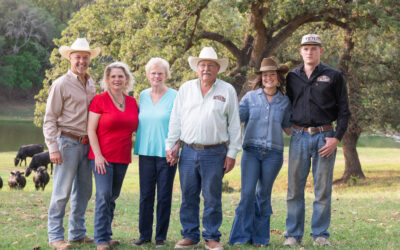
Texas Ranch Received CAB Ambassador Award
Visitors to 2 Bar C Ranch near Luling, Texas, often describe the quiet first. That peace reflects low-stress cattle care, seedstock bred for the whole beef chain and a family that opens its gates, earning the 2026 CAB Ambassador Award.
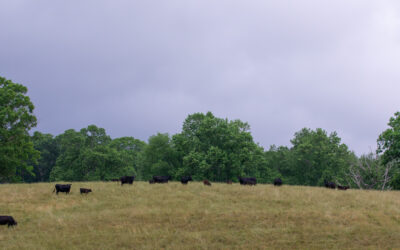
Built For the Long Haul
Thirty-one inches of rain in 48 hours tested Biltmore Estate’s 130-year commitment to remain a profitable, working agricultural estate. Through Hurricane Helene recovery and high-quality Angus genetics, Biltmore stewards its land, livestock and community, earning the 2026 CAB Sustainability Award.
Jett Stream to Prime
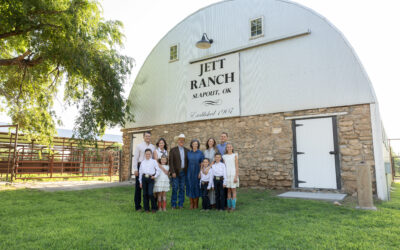
In the Oklahoma Panhandle, four generations built a herd defined not by the odds against it, but by standards never lowered. That commitment drove decades of genetic and management improvements, taking Jett Ranch from struggling to reach Prime to more than 70% Prime today, and earned the ranch the 2026 CAB Commercial Commitment to Excellence award.