THINGS LOOKING UP, OR STILL BONE DRY?
 Last Friday, Steve was feeling optimistic — and curious if others felt the same. He posed this question on the email-based discussion list, Black-Ink:
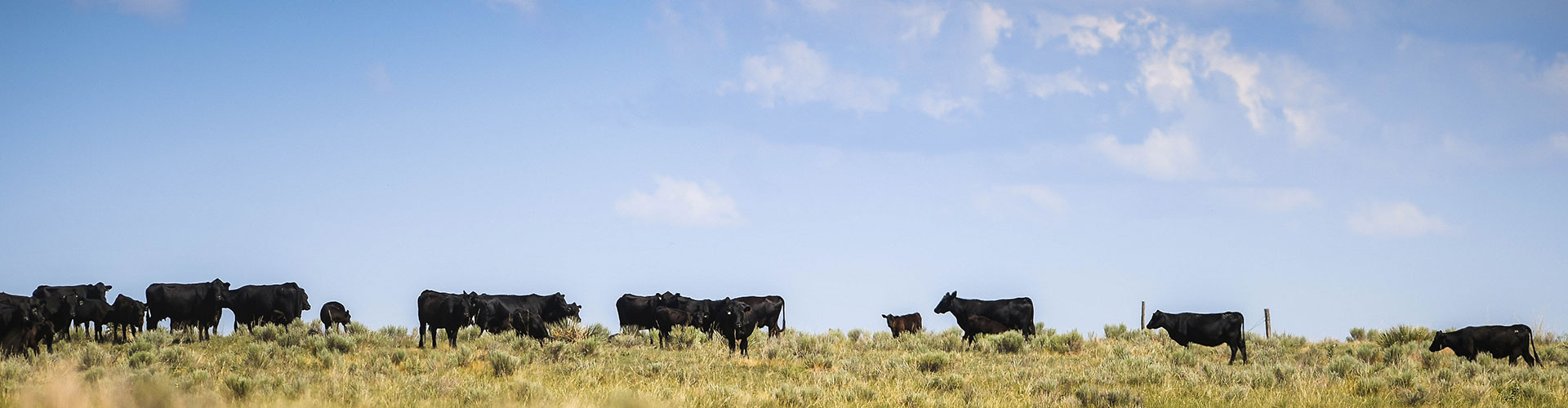
“Here in northeast Kansas, 10 inches of rain in a month have restored pastures, ponds and hope. If it shuts off and turns hot later this month, we could be right back in trouble, but we are cautiously optimistic now. Where you are,
how have pasture conditions changed this spring and what are prospects going into summer? What’s the outlook for hay crops?”
List members from across the U.S. chimed in, sharing reports such as:
- Moderate pasture conditions. Receiving an abnormally high amount of phone calls for pasture and hay. – Big Sandy, Mont.
- Ponds are full again! Plenty of moisture for growth. Need sun and warmth. Too many nights in the low 40s. One week ago today, the high temperature was 52. I plan to go to pasture next week, later than usual. Give me more sun and warmth and the grass will get way ahead of the cows in our rotational grazing system. My hay fields are like the pastures. Late to start and in need of sun and warmth. – Aledo, Ill.
- Embarrassed to say it, but we’re dealing with mud in the areas where the cows congregate. We quit feeding hay on March 3, though we did put some out after it snowed later that month. We’re only using 11 of 22 paddocks, and the grass is staying well ahead of the cows. Hay fields and extra paddocks are ready to harvest, but the soil is too wet and no good drying windows in the immediate future. – Louisa, Va.
- It hit a record 95 yesterday; our average is 77. One reservoir will be shut off next week, before they even get the first cutting. Re-growth will be almost non-existent on the hay meadows, the rangelands are dry and will ultimately be short on stock water. A hard winter used up all the hay and straw stocks, and new hay is already being priced out of reach for the average rancher. – Southwestern Idaho/Eastern Oregon
What’s it like in your part of the world? Are you dodging mud puddles or cracks in the ground? If it’s the latter, be sure to check out these resources on maintaining a quality focus in the toughest of times:
Wean early without working overtime
(Not yet a member of our email list Black-Ink? Wish you were? Send Steve an email to sign up and join the quality beef cattle conversations!)
You may also like
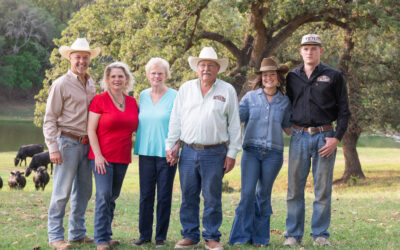
Texas Ranch Received CAB Ambassador Award
Visitors to 2 Bar C Ranch near Luling, Texas, often describe the quiet first. That peace reflects low-stress cattle care, seedstock bred for the whole beef chain and a family that opens its gates, earning the 2026 CAB Ambassador Award.
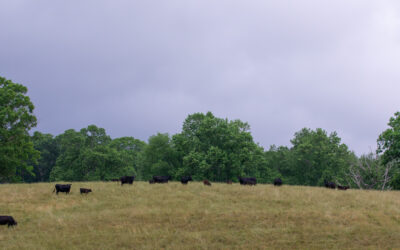
Built For the Long Haul
Thirty-one inches of rain in 48 hours tested Biltmore Estate’s 130-year commitment to remain a profitable, working agricultural estate. Through Hurricane Helene recovery and high-quality Angus genetics, Biltmore stewards its land, livestock and community, earning the 2026 CAB Sustainability Award.
Jett Stream to Prime
In the Oklahoma Panhandle, four generations built a herd defined not by the odds against it, but by standards never lowered. That commitment drove decades of genetic and management improvements, taking Jett Ranch from struggling to reach Prime to more than 70% Prime today, and earned the ranch the 2026 CAB Commercial Commitment to Excellence award.