The Golden Rule in the Golden Triangle
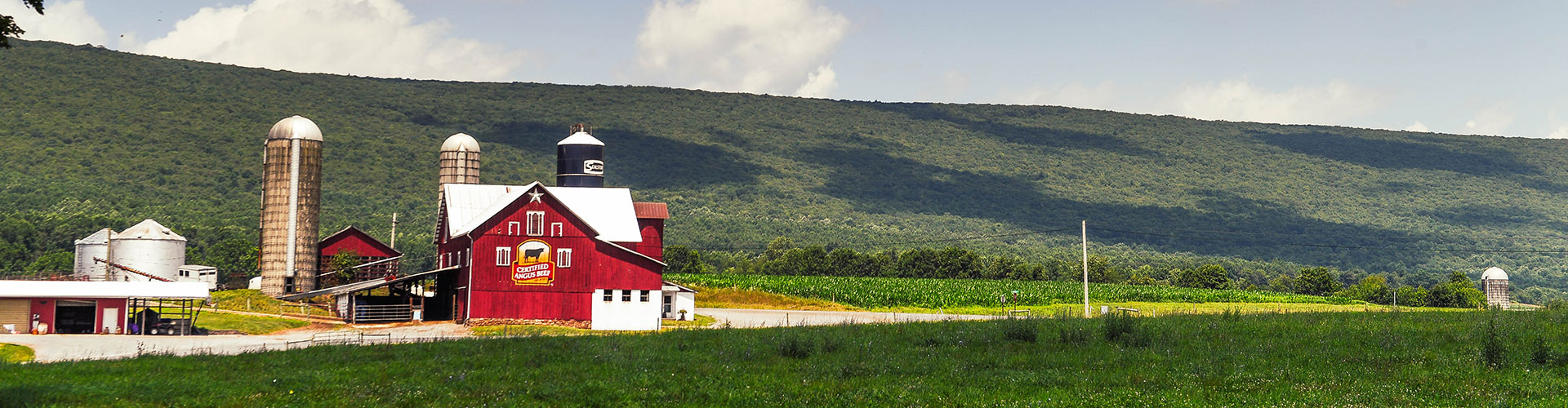
This is the region in north-central Montana known worldwide for high quality and abundant grains. In town, breweries and bakeries alike boast Montana-grown signs. Neill Sweeney’s grandad bought their farm overlooking Belt Creek in 1911, where they raise winter wheat, barley and hay for the cattle.

“We definitely consider ourselves farmers who also raise cattle,” Neill says. “We try not to compromise what we do on the farm with the cows.”
That doesn’t mean cattle quality is compromised. It can, however, be somewhat put on “auto-steer.”
“We know Bruce is looking out for us in that area, so we can focus on what matters to us and know that’s built in,” Neill says, referencing friend and seedstock provider Bruce Keaster.
“We don’t crossbreed anymore – it just seems like if it has a black hide, it has more value, plus, we feel like we can get enough growth out of those black calves and not worry about it. The breed has come a long way, and we know that’s what Losekes want.”
About two thirds of Neill’s bull battery is sourced from Keaster. Like Bruce – and largely because of him – Neill also holds a longstanding relationship with Nebraska cattle feeder Ryan Loseke.
“Bruce just has really good cattle – I think that’s why Losekes keep coming back for ours, too. They know what they’re getting with them,” Neill says.

They started out renting grass to Bruce years ago, then swapped bulls for grass when Neill noticed the quality of the cattle grazing on his land. Ryan’s dad starting buying the Sweeney cattle more than a decade ago, and they’ve been back every year since.
“One thing I like about that is they’re similar from a health standpoint. They’re pretty uniform with Bruce’s cattle, so they all fit together; we know what we’re getting,” Ryan says.
Loads go as high as 51% CAB and Prime—the quality Ryan’s looking for, with performance and health, too.
For Neill, the biggest value is straightforward marketing that simplifies the cattle department so he can keep focused on the farm.
“We don’t have to go through a middle man,” Neill points out. “We just load them once – it’s easier on them and on us. I figure the best part of it is the peace of mind for us.”
That reciprocates on the feeder’s end, too.
“Neill is about as low-key a guy to deal with as they come. They’re just good people. They’re fun to work with; just fun people to know,” Ryan says.
No doubt, laughter and humility come easy around Neill and Patti’s kitchen table. Their good-natured welcome, candid humor and earnest love for their land and history makes it clear this family’s adherence to the Golden Rule goes a lot further than their dealings in the cattle business.
“We figure, if it’s good for them, it’s good for us,” Neill shrugs with a smile. “If they don’t stay in business, neither do we.”
Until next time,
Laura
 Laura Nelson is based in Big Timber, Montana, where she writes, captures images and tells farming and ranching stories. She’s a former CAB Industry Information Specialist who became passionate about the brand and the pursuit of high-quality beef while working at the company headquarters in Ohio. Then wide open spaces, small-town living and those beautiful Crazy Mountains wooed her back west.
You may also like
Texas Ranch Received CAB Ambassador Award
Visitors to 2 Bar C Ranch near Luling, Texas, often describe the quiet first. That peace reflects low-stress cattle care, seedstock bred for the whole beef chain and a family that opens its gates, earning the 2026 CAB Ambassador Award.
Built For the Long Haul
Thirty-one inches of rain in 48 hours tested Biltmore Estate’s 130-year commitment to remain a profitable, working agricultural estate. Through Hurricane Helene recovery and high-quality Angus genetics, Biltmore stewards its land, livestock and community, earning the 2026 CAB Sustainability Award.
Jett Stream to Prime
In the Oklahoma Panhandle, four generations built a herd defined not by the odds against it, but by standards never lowered. That commitment drove decades of genetic and management improvements, taking Jett Ranch from struggling to reach Prime to more than 70% Prime today, and earned the ranch the 2026 CAB Commercial Commitment to Excellence award.