Sweet relief
I felt sick. There was a knot in the pit of my stomach, my heart beat a bit faster, my face was flushed. You know the feeling, when you realize you’ve made a big mistake?
This wasn’t the colossal, life-changing kind, but one that would require me to basically redo a story trip. That would be an investment, monetarily and of my time, but more importantly, of my source’s time.
Cattlemen are always so gracious, fitting us into their busy schedules to let us see what they do, to document it and then share it with the world.
Todd Wickstrum was no different. When I stopped by Wickstrum Farms, near Westmoreland, Kan., one June afternoon, I listened to he and his crop consultant talking about corn progress and emerging threats.

Todd was busy, but he made time to chat with me about the farm history and current management.
He shared his dad’s philosophy: “‘Why do you want to work that hard if the quality’s not there?’”
I love that.
I took lots of pictures—even though I’m pretty sure Todd was about as fond of that part of the visit as most producers.
Then I came home, tucked those notes away with others from my trip, and went on processing material from earlier stops in Montana. As part of my editorial plan, I didn’t dig them back out until fall.
That’s when I realized the big fat mistake.
I tried to download the Wickstrum photos off my camera memory card. Not there. Must be on the other card….except I reformatted that, basically wiping it clean, prior to a day at our Feeding Quality Forum.
With more urgency, I searched every nook and cranny of my hard drive. Surely, I had just misplaced the folder.
But alas, I had to admit to myself and to my team: I messed up.

The next day, I got on a first-name basis with a memory-card tech support guy named Ray and, after about 8 hours trying different things, I completed a CSI-style recovery of my photos.
Sweet waves of relief! I didn’t know when I’d find myself back in northeast Kansas and I really wanted to tell Todd’s story of coming back to the family’s diversified operation.
Details include their 2011-built facility that holds 13,500 head, which contains every bit of runoff for use on their farm. They feed all homegrown crops through high-quality animals that are purchased with the intention of doing well on the grid, while putting on more pounds than past placements.
“Work hard, smart” ran in the November 2016 Angus Journal, and I hope you’ll give it a read. (And not just because I worked hard to fix that mistake.)
May your bottom line be filled with black ink,
Miranda
You may also like
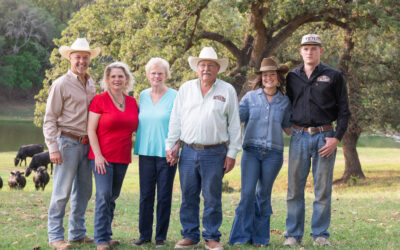
Texas Ranch Received CAB Ambassador Award
Visitors to 2 Bar C Ranch near Luling, Texas, often describe the quiet first. That peace reflects low-stress cattle care, seedstock bred for the whole beef chain and a family that opens its gates, earning the 2026 CAB Ambassador Award.
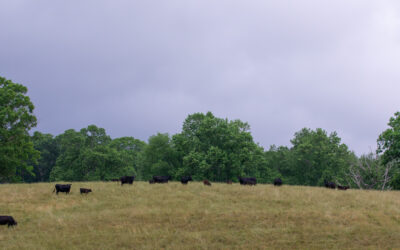
Built For the Long Haul
Thirty-one inches of rain in 48 hours tested Biltmore Estate’s 130-year commitment to remain a profitable, working agricultural estate. Through Hurricane Helene recovery and high-quality Angus genetics, Biltmore stewards its land, livestock and community, earning the 2026 CAB Sustainability Award.
Jett Stream to Prime
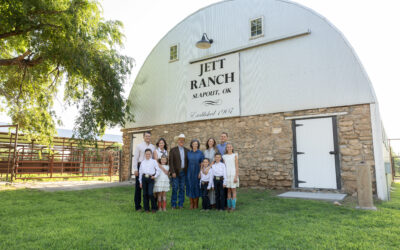
In the Oklahoma Panhandle, four generations built a herd defined not by the odds against it, but by standards never lowered. That commitment drove decades of genetic and management improvements, taking Jett Ranch from struggling to reach Prime to more than 70% Prime today, and earned the ranch the 2026 CAB Commercial Commitment to Excellence award.