Conservation driven, quality focused
Angus cattlemen and women throughout the production chain are no exception, and today we tip our hats to these and the many others who produce more pounds of beef using less land, water and energy than ever before without sacrificing quality.

Anne Burkholder
In her blog, Feedyard Foodie, Anne recently discussed what environmental sustainability means to her.
“While I believe with all my heart that our farm’s ability to sustain is intrinsically tied to its capacity to endure, I also recognize that good planning and an attention to detail is critical to our success,” she writes. “Sustaining is not just something that happens if you get lucky — it is the result of careful planning and diligent implementation. It is the art of taking what Mother Nature gives to you and turning it into a usable and beneficial resource.
A detailed manure management plan, crop rotation and a lined holding pond are all part of her operation’s environmental management plan, but high-quality cattle that will producer tender and flavorful beef on fewer resources are an important part of the mix, too.
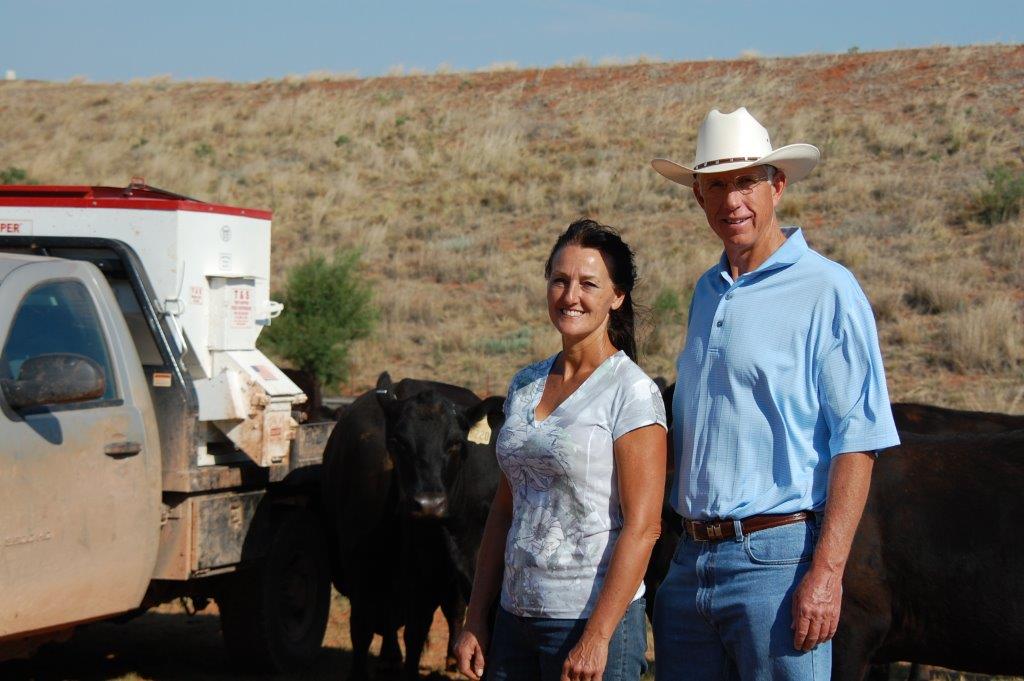
Jimmy and Tracy Taylor
Despite ranching in Oklahoma during the drought of the century — or maybe because of it — the Taylors are masters at making do. They’ve maintained environmental sensitivity without losing focus on producing high-quality cattle and, in late 2011, received Certified Angus Beef’s Commitment to Excellence: Commercial Award.
Heavily supplemented through the record-breaking summer of 2011, after strategic culling, the top 95 percent of their spring cows weaned creep-fed calves a month earlier than the previous year as the smaller fall herd began making the best of a bad situation.
But environmental challenges aside, the Taylors found silver lining along the way thanks to a healthy dose of optimism and positive thinking. Having to feed cows on summer grass each day? Great opportunity to check on water, health needs and head counts while calves get used to a grain ration. And maybe the best thing to come from such tough times? They bring individual cow evaluation to the forefront as the profit makers get even better.

Before making any decision on his Eldora, Iowa, farm, Dave Petty asks himself three questions: Will the outcome be profitable? Will it make the business more productive and efficient? Will it help the environment?
Dave Petty
You may also like
Texas Ranch Received CAB Ambassador Award
Visitors to 2 Bar C Ranch near Luling, Texas, often describe the quiet first. That peace reflects low-stress cattle care, seedstock bred for the whole beef chain and a family that opens its gates, earning the 2026 CAB Ambassador Award.
Built For the Long Haul
Thirty-one inches of rain in 48 hours tested Biltmore Estate’s 130-year commitment to remain a profitable, working agricultural estate. Through Hurricane Helene recovery and high-quality Angus genetics, Biltmore stewards its land, livestock and community, earning the 2026 CAB Sustainability Award.
Jett Stream to Prime
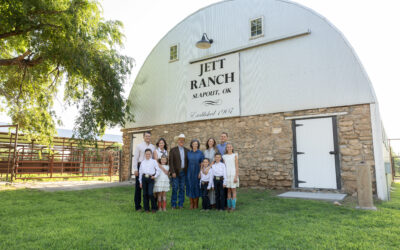
In the Oklahoma Panhandle, four generations built a herd defined not by the odds against it, but by standards never lowered. That commitment drove decades of genetic and management improvements, taking Jett Ranch from struggling to reach Prime to more than 70% Prime today, and earned the ranch the 2026 CAB Commercial Commitment to Excellence award.