Burning bluestem for better beef

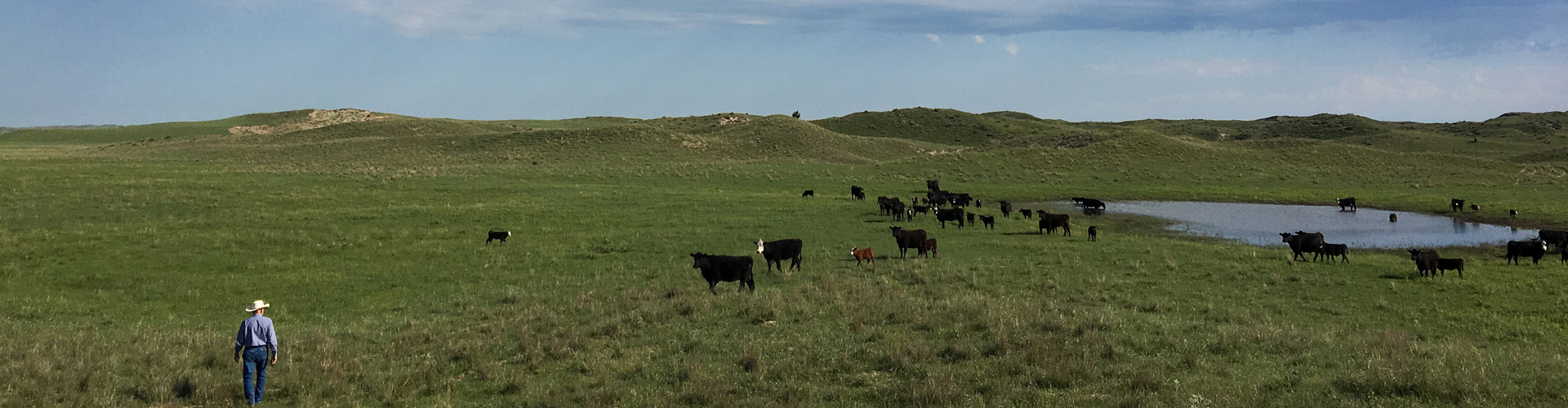
Cattle gain better on the pure regrowth, too. We burned about 80 acres this year, all before April 1, which was a couple of weeks ahead of typical.
Well, half of that burn was a gift from a neighbor so that a fire carried over from their pasture and died along our creek. You generally have to wait for the “right wind,” get together a plan with safety in mind, call the sheriff with your burn permit number and coordinate with neighbors. Burning continues in the area at sunset tonight.

An article in fall 1935 Ecology journal starts out, “The practice of burning grass is an old one,” known to be used by Native Americans (OK, this was before the dawn of political correctness so they were Indians) to lure game for hunting. It then cited Kansas State University studies from 1926-27 on the benefits of burning in the Flint Hills. That range extends from my western backyard up to the Nebraska borderlands and south to the Oklahoma country. It’s a corridor of lush, warm-season native grasses on hills that are often rocky with flint and limestone ledges. No other region of the world sees as many intentionally set, prescribed burns.

We waited a couple of weeks after the burn to turn in cow-calf pairs that spent their first few days on that adjacent fescue before venturing out onto the early green in the ravines. In 25 days, they need to rotate out, across the road and down an alley to the corral so a favored dozen can go home for AI. They should be on a high nutritional plane and ready for a successful synchronization.
Until next time, let’s keep on targeting the brand and building tomorrow together.
–Steve
You may also like
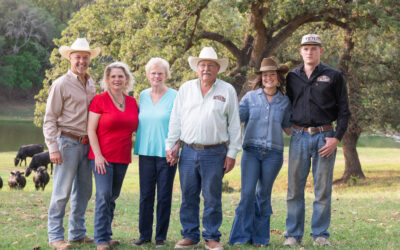
Texas Ranch Received CAB Ambassador Award
Visitors to 2 Bar C Ranch near Luling, Texas, often describe the quiet first. That peace reflects low-stress cattle care, seedstock bred for the whole beef chain and a family that opens its gates, earning the 2026 CAB Ambassador Award.
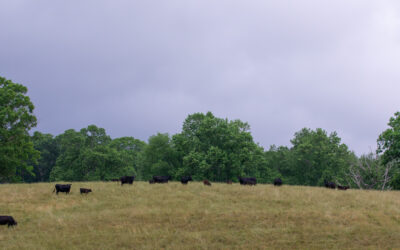
Built For the Long Haul
Thirty-one inches of rain in 48 hours tested Biltmore Estate’s 130-year commitment to remain a profitable, working agricultural estate. Through Hurricane Helene recovery and high-quality Angus genetics, Biltmore stewards its land, livestock and community, earning the 2026 CAB Sustainability Award.
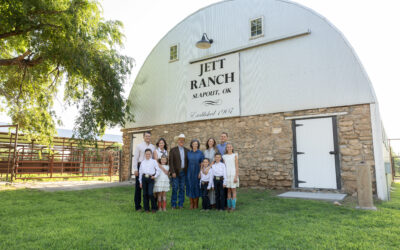
Jett Stream to Prime
In the Oklahoma Panhandle, four generations built a herd defined not by the odds against it, but by standards never lowered. That commitment drove decades of genetic and management improvements, taking Jett Ranch from struggling to reach Prime to more than 70% Prime today, and earned the ranch the 2026 CAB Commercial Commitment to Excellence award.