Beef for your Seoul
 Emily’s a farm girl from southern Ohio who currently works in our international team. Faster than she could ever dream of getting through customs, here’s a five minute snapshot of her trip:
First off, tell us why you were in South Korea: What is Certified Angus Beef LCC’s interest there?
Our goal was to work with and build relationships with those restaurants that are serving Certified Angus Beef. We want to support their efforts. We’re also focused on working with packers who export overseas and the USMEF (United States Meat Export Federation) to continue to build demand for US beef, especially Certified Angus Beef.
Specifically, we’re working to expand the South Korean market because there are incredible opportunities for growth there. It’s a huge market with endless potential. In Seoul alone, where we were, there are 10.5 to 11 million people! They’re huge meat eaters, and there’s an incredible amount of wealth in that city.
 Tell us about the biggest difference you saw between doing business in South Korea as opposed to working with our American restaurants and retailers.
First of all, when you’re accustomed to the meat/food industry in America, it seems very complicated over there… or maybe it’s actually simplified and we’re the complicated ones. All the steps of the production chain are much more integrated. Importers and distributors also own restaurants and retail stores, unlike here where those are all separate entities.
What’s more, LotteMart, the major retail partner we were working with, has an incredibly diverse portfolio. LotteMart is not only a grocery store, it also has hotels, shopping centers, theme parks and more. KMEAT is a food importer/distributor, but they also have a retail meat case in front of their corporate office and operate restaurants. They have meat cases in some restaurants, too. So that’s a challenge when you’re trying to sort out who to do what business with.
 You mentioned you ate at several Korean barbecue joints. I’m guessing these are not what we typically imagine when we hear traditional ‘barbecue.’
No, this wasn’t exactly your traditional Texan barbecue! In Korea, it’s as much about the presentation as the preparation method. In the middle of each table is a pit filled with coals. They put a grate over the pit and fire it up, cooking your meat and sides right in front of you. Of course, it’s a lot quicker process than barbecuing here, because they’re using very thinly sliced meats, mostly from the short rib or chuck.
 What kind of feedback did you get from the Koreans you visited with about their feelings on US beef?
We continued to hear from our retail partners that their consumers still have a lot of fear surrounding eating US beef. They have this huge misconception that the US keeps all the good meat for ourselves and exports the “reject meat” to them. Even one of our translators, who was born in California, married a man from Michigan and then moved back to Korea told us she didn’t eat US beef, even though she admitted she preferred its taste and it was more affordable. Ever since the BSE case in 2003, US beef has had a hard time shaking a bad reputation.
 How do we combat that?
We continue to partner with USMEF to share truthful, accurate information about the safety and wholesomeness of American beef. But Rome wasn’t built in a day… the Korean business culture is very cautious. They’re extremely strategic and formal in their business decisions, so it will take time to rebuild their trust in US beef.
In the mean time, we’re focused on creating demand from the end users by sampling, educating and distributing more information about the brand. We’re creating special marketing materials and information in their language, and we’re working on creating a video that shows the pasture to plate connection in Korean.
Do you have questions about Emily’s Korean adventure? Send me an email at lnelson@certifiedangusbeef.com and I’ll ask her. Until next time,
-Laura
You may also like
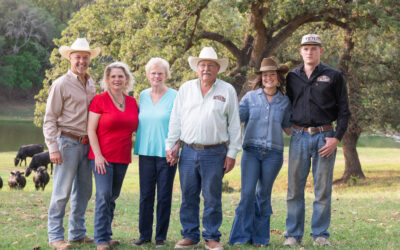
Texas Ranch Received CAB Ambassador Award
Visitors to 2 Bar C Ranch near Luling, Texas, often describe the quiet first. That peace reflects low-stress cattle care, seedstock bred for the whole beef chain and a family that opens its gates, earning the 2026 CAB Ambassador Award.
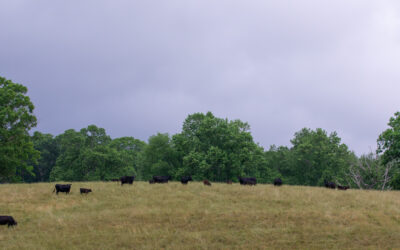
Built For the Long Haul
Thirty-one inches of rain in 48 hours tested Biltmore Estate’s 130-year commitment to remain a profitable, working agricultural estate. Through Hurricane Helene recovery and high-quality Angus genetics, Biltmore stewards its land, livestock and community, earning the 2026 CAB Sustainability Award.
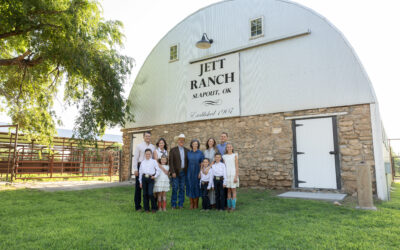
Jett Stream to Prime
In the Oklahoma Panhandle, four generations built a herd defined not by the odds against it, but by standards never lowered. That commitment drove decades of genetic and management improvements, taking Jett Ranch from struggling to reach Prime to more than 70% Prime today, and earned the ranch the 2026 CAB Commercial Commitment to Excellence award.