A DAY IN THE LIFE OF A KANSAS RANCHER, PART II
 Yesterday, Debbie Lyons-Blythe was sharing processing day on the ranch, as part of our “Day in the Life” series. Today we pick back up, just as the cattle are about to head down the highway.
Luckily we planned the move during local church services so the amount of traffic is down. We hate missing church, but sometimes the work is more important and today is one of those times.
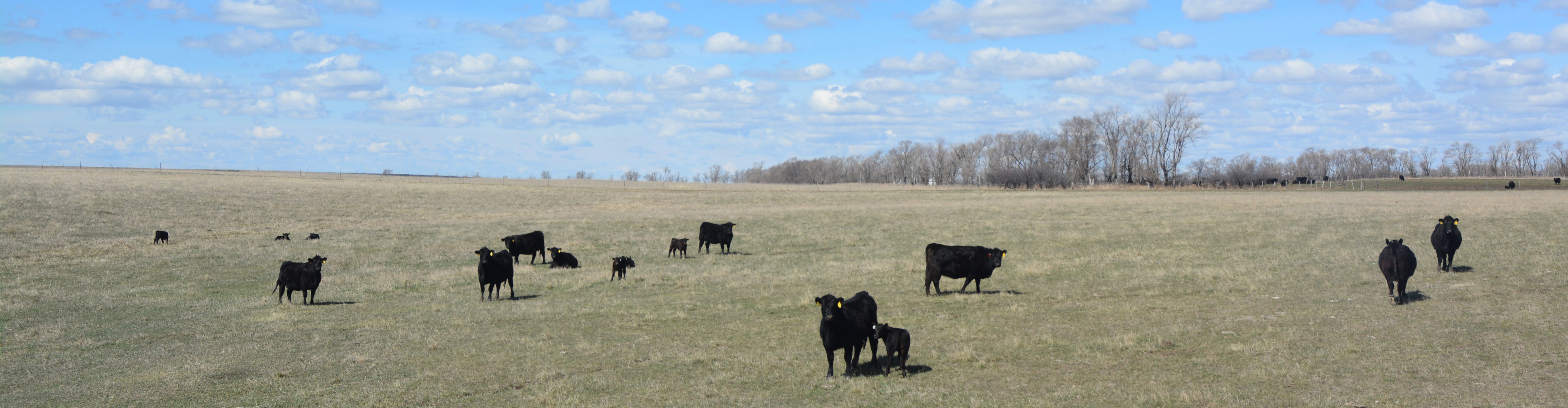
Once the cattle are caught in our pens, we sort off the cull cattle that were identified earlier in the year—the steers and heifers that were identified with too small of pelvic size or yearling weight. These calves will go to grass pasture for a couple of months before being shipped to a nearby feedyard. That is about 50 head that we run through the chute and apply a fly insecticide tag, a growth implant and pour on a parasite control. Duane works the headgate, I put in the new ear tags, one boy moves cattle through the alleyway and the others sort cattle into the tub in the back.
 After working the grass calves, we bring the replacement heifers to the facility. It takes everyone working together to get 150 head worked in a little over an hour. One person applies the heat detection patch and another gives the prostaglandin shot, while another applies the pour-on.
It is important to me that the heifers are handled in a calm and quiet manner. I will be working with these girls over the next 4-5 days by myself and sorting them and breeding them alone. If they are overly excited or worked up, that job can be dangerous and nearly impossible by myself. But if they have a good experience while we work them today, they will be easy to handle by myself. Things go well and we are finished early.
 While I clean up the supplies and working area, Duane and the boys finish hauling the grass calves to pasture. We all meet up at my in-laws’ house to relax on the porch and enjoy a few minutes of conversation with Duane’s mom and stepdad. His stepdad had a stroke two years ago and it affected his eyesight, so he is homebound. His mom was an avid gardener and enjoys keeping her yard looking nice—but it is now up to us to do the yard work. She purchased a couple of rose bushes and while we watched and relaxed, my boys planted two rose bushes for their grandma.
The day was long, but very rewarding—especially ending up doing an important favor for someone in need. Grandmas and Grandpas are special to us and we will enjoy the rose bushes in the future as we sit on their porch
with them, too.
-Debbie Lyons-Blythe, Kansas rancher and blogger at “Life on a Kansas Cattle Ranch”
To catch up on the entire series check out these posts:
You may also like
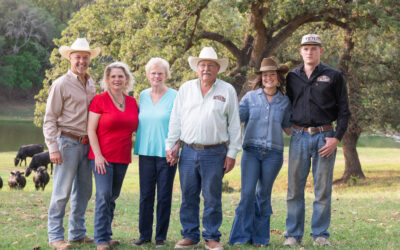
Texas Ranch Received CAB Ambassador Award
Visitors to 2 Bar C Ranch near Luling, Texas, often describe the quiet first. That peace reflects low-stress cattle care, seedstock bred for the whole beef chain and a family that opens its gates, earning the 2026 CAB Ambassador Award.
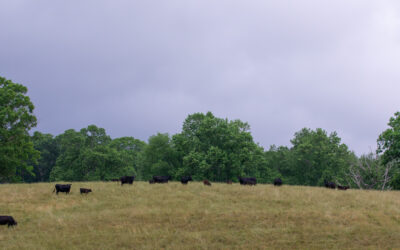
Built For the Long Haul
Thirty-one inches of rain in 48 hours tested Biltmore Estate’s 130-year commitment to remain a profitable, working agricultural estate. Through Hurricane Helene recovery and high-quality Angus genetics, Biltmore stewards its land, livestock and community, earning the 2026 CAB Sustainability Award.
Jett Stream to Prime
In the Oklahoma Panhandle, four generations built a herd defined not by the odds against it, but by standards never lowered. That commitment drove decades of genetic and management improvements, taking Jett Ranch from struggling to reach Prime to more than 70% Prime today, and earned the ranch the 2026 CAB Commercial Commitment to Excellence award.