Good people, good cattle, good beef
A few weeks ago, I visited the Loehding ranch near Ekalaka, Mont., where they do not lack family history.
Travis and his wife Corey are the fourth generation, and they ranch with the mindset that their kids will be the fifth. Raising quality Angus cattle started in 1917, when Travis’s great-grandma bought a piece of land in Carter County and brought her sons west. Throughout the years the size has quadrupled—twice—all the while, the family strives to raise good beef.

Travis’s parents, Bill and Candy Loehding, are in the active process of passing the ranch to the younger couple, who lived in Denver for years.
“As a team, we decided we wanted to raise our family in a rural lifestyle,” Travis says. “People in small communities like this take care of each other. That’s one of the best features of this area.”
 They moved home in 2006. “It’s been good for not only us but good for my parents as well. It takes a little of the work and stress off their shoulders,” Travis says.
Today, the family runs around 600 mother cows, retaining all heifer calves through the winter until they choose replacements. But it’s their goal with the steer calves that sets them apart.
“I follow in my father’s footsteps when it comes to the steers,” he says. They’re retained through feeding; most recently that means backgrounding on Nebraska corn stalks to help cut down feed costs. “We are simply trying to find the best way to be profitable,” Travis says. “Backgrounding cattle has worked well for us, especially over the past three to four years.”
Then Tom Williams, owner-manager of Chappell Feedlot, gets to employ his skills to finish the cattle.
 “One of the reasons we went to Chappell with our calves is because Tom does an exceptional job of marketing them,” Travis says, noting they actively aim for the Certified Angus Beef ® (CAB®) brand, regularly achieving more than 50% acceptance.
“I think CAB is a target of most producers who raise black-hided calves, even people who don’t retain ownership. Producers simply want to raise good beef,” he says.
The Loehdings certainly know how to do that—and plan to continue for years to come.
~Karoline
Karoline Rose hails from Big Sky country where she is involved in the family ranch and is a student at Montana State University. She served as a CAB writing intern this fall.
You may also like
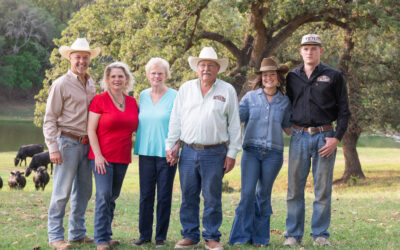
Texas Ranch Received CAB Ambassador Award
Visitors to 2 Bar C Ranch near Luling, Texas, often describe the quiet first. That peace reflects low-stress cattle care, seedstock bred for the whole beef chain and a family that opens its gates, earning the 2026 CAB Ambassador Award.
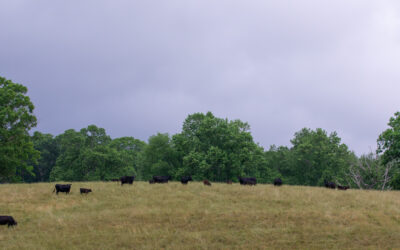
Built For the Long Haul
Thirty-one inches of rain in 48 hours tested Biltmore Estate’s 130-year commitment to remain a profitable, working agricultural estate. Through Hurricane Helene recovery and high-quality Angus genetics, Biltmore stewards its land, livestock and community, earning the 2026 CAB Sustainability Award.
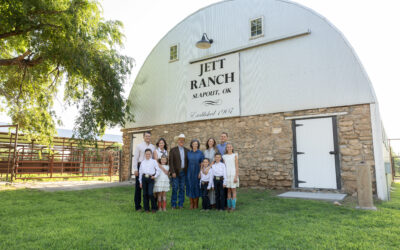
Jett Stream to Prime
In the Oklahoma Panhandle, four generations built a herd defined not by the odds against it, but by standards never lowered. That commitment drove decades of genetic and management improvements, taking Jett Ranch from struggling to reach Prime to more than 70% Prime today, and earned the ranch the 2026 CAB Commercial Commitment to Excellence award.