What’s in your freezer?

I think as a “Millennial,” I am a member of the generation that is most influenced by the media. I’m also a part of the generation with the most disconnect with where their food comes from. While the oldest generations may have looked outside their window to learn about agriculture or looked in their pantry to learn about food, we look to the Internet or TV… and we are often misguided. Generation Y may not be the most likely to pick up a newspaper but they are the ones on Twitter, serving as the audience to anyone who wants to spew propaganda about the industry.
We are college students, young professionals, and parents starting a family. We search for the easiest food to prepare, cheapest options and often what is in vogue. We also expect to find any kind of food we desire available when we want it. My generation has been in a “food discussion.” Growing up in the ’80s and ’90s, we were around for the scandal around GM corn in taco shells before full approval, BSE scares throughout the world, and we even watched “Supersize Me” or “Food Inc.” in school. We have been exposed to the idea that not all food is healthy. We are the generation who has learned to question our food and for those of us lucky enough to be involved in agriculture, we have had and undoubtedly will have, the pleasure and burden of explaining it to the world.
I choose to eat beef for two reasons: I like the taste and I have no doubt that it is wholesome and safe. In comparison with my generational peers across the country, I probably consume more beef. The reason? Beef isn’t as cheap and as “microwavable” as chicken or products like bacon. Not to say beef doesn’t have some economical and easy options, but I notice a lot of Tyson Anytizers or grilled chicken breasts at friends’ houses. To be honest, I’m guilty of consuming less meat because I’m in college, it’s simply not as feasible. When you’re away from Mom, pot roast becomes second to cereal and convenience becomes key to young people.
 My generation tends to be into “what’s new.” There is a growing population of people without allergies giving up gluten or other components of their diet because it’s thought to be “healthy.” We are the generation that likes sushi, Chipotle, and anything that has an organic label; we experiment. We are doing what is green and what is good-for- you and as a whole, we don’t have the facts on what that is. I know beef is sustainable, I know beef is healthy; unfortunately, many don’t.
When out to eat, I notice a group of fearless eaters trying new foods. You can bet I order a cheeseburger or if it’s a sit-down restaurant, a Certified Angus Beef sirloin. However, even my fellow ag students get something new and often order chicken or fish. This isn’t a result of something negative from the beef industry; rather, it’s a representation of tastes and preference. For example, compared to my grandpa, my diet has a lot more variety. However, growing up on a farm in Missouri at the tail-end of the Depression didn’t allow him to try many new foods. As time has gone on, more choices have become available and affordable and Millennials take advantage of that.
The “have-to-have-it-now” generation has a wide variety of food choices, raised and produced all kinds of ways. We are explorers when it comes to food and I think the eating or not eating beef is reflective of that. The challenge the industry faces is showing young consumers how easy it is to enjoy beef, how nutritious beef is, and perhaps, how in style it is.
–Rachel
You may also like
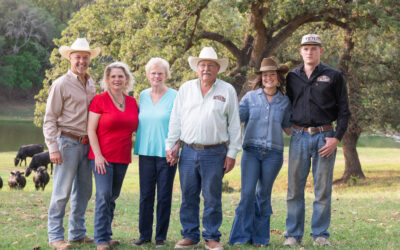
Texas Ranch Received CAB Ambassador Award
Visitors to 2 Bar C Ranch near Luling, Texas, often describe the quiet first. That peace reflects low-stress cattle care, seedstock bred for the whole beef chain and a family that opens its gates, earning the 2026 CAB Ambassador Award.
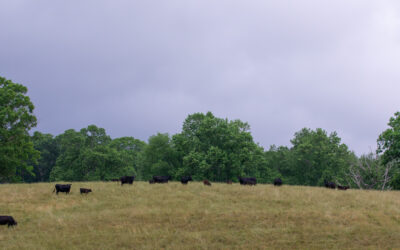
Built For the Long Haul
Thirty-one inches of rain in 48 hours tested Biltmore Estate’s 130-year commitment to remain a profitable, working agricultural estate. Through Hurricane Helene recovery and high-quality Angus genetics, Biltmore stewards its land, livestock and community, earning the 2026 CAB Sustainability Award.
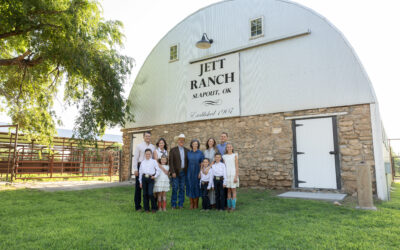
Jett Stream to Prime
In the Oklahoma Panhandle, four generations built a herd defined not by the odds against it, but by standards never lowered. That commitment drove decades of genetic and management improvements, taking Jett Ranch from struggling to reach Prime to more than 70% Prime today, and earned the ranch the 2026 CAB Commercial Commitment to Excellence award.