
A DAY IN THE LIFE OF A KANSAS RANCHER
 We all know it takes a heap of work, coordination and planning to raise cattle. It takes more of the same to get beef from processor to plate. In honor of beef month, we decided to check in with the people who devote their life’s work to producing, delivering and cooking delectable beef products for hungry consumers. So come along with us and experience a “Day in the Life” of these fine folks.
Today, Debbie Lyons-Blythe, who regularly updates her blog “Life on a Kansas Cattle Ranch,” gives us a snapshot of what Sunday looked like at their place. Enjoy! –Miranda
I’m not a winter person—I crave sunshine and warm weather. I wear long johns, coveralls and lots of layers all winter and when spring finally arrives, I am very ready for it! The past couple of years in Kansas we have been dealing with a severe drought. Despite some good snowfalls this winter, we began spring expecting a drought. We have ponds that are totally dry and we have spent thousands of dollars finding ways to bring drinking water to the cattle in each pasture.
 But all that has changed for us in eastern Kansas—near the end of April, the rain began to fall again and we now have some water in most of our ponds and a few of them are actually full! So this past weekend was a time of hope and fun, preparing to take cattle to the pastures.
Spring is also a time to plan the matings for our cows and heifers. I use proven AI sires and we select bulls based on EPDs from our own herd as clean up sires. We have a commercial heifer development program in which we raise 150 to 350 heifers each year to sell in the fall. I select the sires for those heifers with criteria including low birth weight and high calving ease, as well as good growth and carcass traits. It is most important to get a live calf from the heifers, as well as a quality calf. Since I will sell these heifers, I select bulls with fairly high EPD accuracies and in order to improve accuracies, we DNA-test all our yearling bulls. I use the genomically-enhanced EPDs to improve confidence—both in me as the seller and in others as the buyer. In addition, we use GeneMax on our entire crossbred heifer herd to select animals to include in the program.
 So last weekend, we called the college kids to come home to work the heifers for breeding season. Unfortunately, Meghan was at Virginia Tech putting on the Raising the Bar conference for the National Junior Angus Association, and Allie had to work at the Texas Roadhouse all weekend, but Trent said he could come home. Also, Tyler and Eric are juniors in high school, and with Duane and me and the three boys, we had a great working crew!
The morning begins early for me, as I like to make a good stick-to-your-ribs lunch for the crew. I put meatballs and corn casserole on to cook for the morning and began calling the boys to get up around 7:00 a.m. By 7:30, I could hear the boys finally moving and I started gathering up the equipment and medications we needed for the day. We use prostaglandin to synchronize the heifers, and apply a heat detection patch to aid in heat checking. I gathered replacement ear tags, syringes, prostaglandin and the patches as the boys ate breakfast. My husband Duane was already feeding the cows that were not being worked and I brought him a cup of coffee as the boys and I pulled into the barnyard.
 Duane laid out the plan for the day as he sipped his coffee. It was a chilly, misty morning and we had to walk the heifers about a mile to get them home to working pens. They had to walk through a lush waterway of brome and around a large alfalfa field. We knew it would be tricky keeping them moving. We don’t use horses, but prefer a tractor with a feed wagon to lead the heifers and ATVs and people on foot to push them. With each of us driving one of those vehicles, we started off.
There are 200 heifers and a few steers in this pasture. After they are through the brome and alfalfa field, they will walk a quarter of a mile on the state highway along our property border. I block the few cars at the top of the hill as the heifers trot down the highway.
Do the cattle make it to working pens without incident? How long does it take to work through 200 head? Find out how processing day turned out in Part II tomorrow.
PS–
To catch up on the entire series check out these posts:
You may also like
Texas Ranch Received CAB Ambassador Award
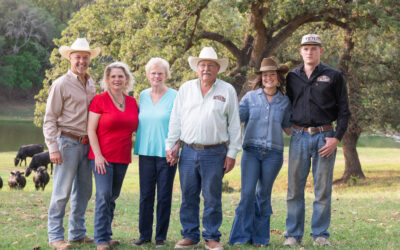
Visitors to 2 Bar C Ranch near Luling, Texas, often describe the quiet first. That peace reflects low-stress cattle care, seedstock bred for the whole beef chain and a family that opens its gates, earning the 2026 CAB Ambassador Award.
Built For the Long Haul
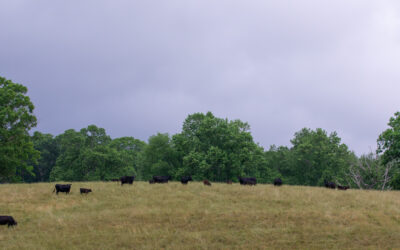
Thirty-one inches of rain in 48 hours tested Biltmore Estate’s 130-year commitment to remain a profitable, working agricultural estate. Through Hurricane Helene recovery and high-quality Angus genetics, Biltmore stewards its land, livestock and community, earning the 2026 CAB Sustainability Award.
Jett Stream to Prime
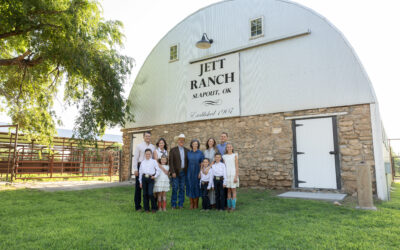
In the Oklahoma Panhandle, four generations built a herd defined not by the odds against it, but by standards never lowered. That commitment drove decades of genetic and management improvements, taking Jett Ranch from struggling to reach Prime to more than 70% Prime today, and earned the ranch the 2026 CAB Commercial Commitment to Excellence award.