
Not backing up on genetics
Regardless of what it’s done the last day or two, we know the majority of our blog readers are still worried about drought. We caught up with one Texan who has implemented a new strategy to deal with the tough choices it creates. –Miranda

Producer Marty Hughes of Goldthwaite, Texas, is trying to make the best of a bad situation. After two years of drought he has had to reduce his herd by half, and he’s probably still not done.
Although the drought forced him to wean and sell his calves early in 2012, Hughes had previously kept replacement heifers and retained ownership of the rest of his cattle through the feeding process. Generally those calves average more than 90% USDA Choice and up to 30% CAB, earning an extra $90 to $125 per head in premiums.
When Hughes realized how much culling he would have to do, he wanted to make sure he was only backing up on numbers, not genetics. Previous data pointed out Hughes’ best cows, but he needed a way to test unproven females. That was when he decided to start using the GeneMax DNA-based test from CAB.
“Right now we want to make sure we aren’t selling our tip-top females,” Hughes says. He’s using the test to index heifers and first- and second-calf young cows that have not had any feedyard data returned.
So far, after testing nearly 100 animals, the results have created a learning experience.
“I think I can look at cattle and know which ones I would like to keep, but some of the test results came back differently than I expected,” he says. “Now we’ve culled some of those heifers because they didn’t get a good score.”
For now, it is a waiting game until the drought breaks, but when it does Hughes hopes his efforts will keep him moving forward.
“I wish I could say we’re using the tests to expand and things are going great, but right now it’s all about culling decisions,” he says. “Hopefully we can start over some day and then we’ll be starting with the best.”
You may also like
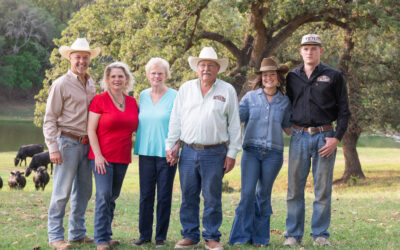
Texas Ranch Received CAB Ambassador Award
Visitors to 2 Bar C Ranch near Luling, Texas, often describe the quiet first. That peace reflects low-stress cattle care, seedstock bred for the whole beef chain and a family that opens its gates, earning the 2026 CAB Ambassador Award.
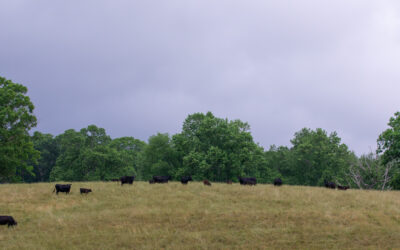
Built For the Long Haul
Thirty-one inches of rain in 48 hours tested Biltmore Estate’s 130-year commitment to remain a profitable, working agricultural estate. Through Hurricane Helene recovery and high-quality Angus genetics, Biltmore stewards its land, livestock and community, earning the 2026 CAB Sustainability Award.
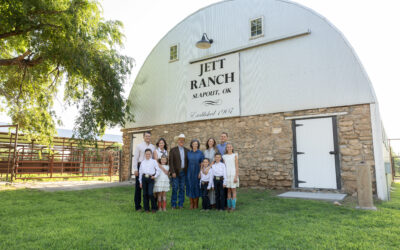
Jett Stream to Prime
In the Oklahoma Panhandle, four generations built a herd defined not by the odds against it, but by standards never lowered. That commitment drove decades of genetic and management improvements, taking Jett Ranch from struggling to reach Prime to more than 70% Prime today, and earned the ranch the 2026 CAB Commercial Commitment to Excellence award.