Beef’s a trip day 8: SOLD!
And in the back of my mind I start to hear this familiar tune:
But I’ve spent the last seven years of my life learning about how to add value to cattle, so I can’t think of auctions without also recounting all the ways cattlemen can make the most of them.

Some people retain ownership or sell direct to feeders, and nowadays video sales are a normal part of doing business, but still plenty of cattle pass through salebarns each year.
Some of them will be calves bound for a stocker phase others will head straight to a feedlot, but where they’re headed is not nearly as important on sale day as where they came from.
Many university studies look at auction markets and what makes them tick. Somebody is always going to top the market and somebody finds the bottom. That’s just the way it works, but how do you make sure you’re closer to the former?
I wrote a story in 2009 about a North Dakota State University study. Researchers there found three things made the most difference in sale price:
- Sex: Steers had the greatest premium, at $9.68 per hundredweight (cwt.) ahead of heifers in fall 2006-07.
- Lot size: Groups with more than 21 head sold at a $6.29/cwt. advantage to lots of 5 or fewer in the fall; $4.99/cwt. in the winter.
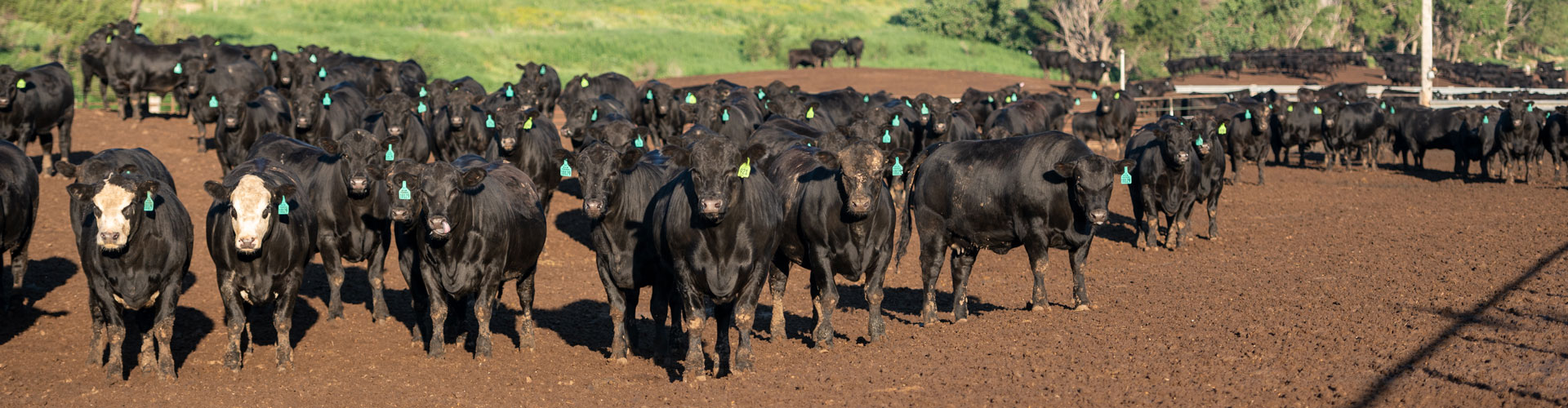
- Color: Black groups sold at the highest prices in both seasons, with $3.39/cwt. and $1.72/cwt. premiums, respectively. Black and black-whitefaced mixed groups came in second, followed by only black-whitefaced and then mixed-color groups.
Genetics, beyond color, matters, too. We do a biennual survey of salebarns across the United States. This fall’s study is ongoing, but two years ago we found that steers of known Angus genetics out-earned their contemporaries by more than $32 per head.
If you’re certain you have the kind of cattle buyers are looking for, don’t be bashful. Let ‘em know about ‘em.
A few years back, I brought up the idea, “Are your cows qualified?” Although the idea of building a resume for your herd might seem absurd, I know some Nebraska producers who have seen great success doing just that.
They’re usually noisy, with dimly lit corners, and full of uncomfortable bleachers, but I still have an affinity for salebarns. It’s something about that atmosphere—ranchers and buyers full of excitement and hope.
And if you do your homework ahead of time, you’ll probably leave that way with the same level of both of those.
Tomorrow those calves will leave the auction place and head to a feedlot, so stay tuned as we cover the next stop on this trip.
May your bottom line be filled with black ink,
Miranda
Beef’s a Trip Archives:
Day 1: Starting at day one
Day 2: Who are these people?
Day 3: Stockholders
Day 4: The cowherd’s purpose
Day 5: Deciding to care
Day 6: Quality focus doesn’t have to skip the middleman
Day 7: Stocking for quality
Day 8: SOLD!
Day 9: What have you done today?
Day 10: Working together to make ‘em better
Day 11: Keep on truckin’
Day 12: Packers want quality
Day 13: The target
Day 14: Packers up close & personal
Day 15: It’s not all about the beef
Day 16: Further processors
Day 17: From here to there–and a lot more
Day 18: He’s on your team
Day 19: Beyond prices, grocery stores uncovered
Day 20: Getting quality in the carts
Wonder how and why we started this journey this month? Read Holly Spangler’s My Generation blog. There are a whole bunch of us blogging our way through November.
You may also like
Texas Ranch Received CAB Ambassador Award
Visitors to 2 Bar C Ranch near Luling, Texas, often describe the quiet first. That peace reflects low-stress cattle care, seedstock bred for the whole beef chain and a family that opens its gates, earning the 2026 CAB Ambassador Award.
Built For the Long Haul
Thirty-one inches of rain in 48 hours tested Biltmore Estate’s 130-year commitment to remain a profitable, working agricultural estate. Through Hurricane Helene recovery and high-quality Angus genetics, Biltmore stewards its land, livestock and community, earning the 2026 CAB Sustainability Award.
Jett Stream to Prime
In the Oklahoma Panhandle, four generations built a herd defined not by the odds against it, but by standards never lowered. That commitment drove decades of genetic and management improvements, taking Jett Ranch from struggling to reach Prime to more than 70% Prime today, and earned the ranch the 2026 CAB Commercial Commitment to Excellence award.