From Bluegrass to Switchgrass to not enough grass
Yesterday I had the chance to return to my old college stomping ground of Lexington, KY to visit with the folks of the Kentucky Cattlemen’s Association. If you don’t have a personal tie to the bluegrass state, cattle probably aren’t the first four-legged critters that come to mind.
Horse racing fans know that tomorrow’s Belmont Stakes is the last leg of the Triple Crown. It’s been over 30 years since a horse has claimed the title, a streak that won’t be broken tomorrow due to the recent scratch of I’ll Have Another. It’s a sporting series that rivals the prestige of the Super Bowl and the World Series. Though the last chapter of the trifecta is written in New York, the Kentucky Derby is where it all starts.
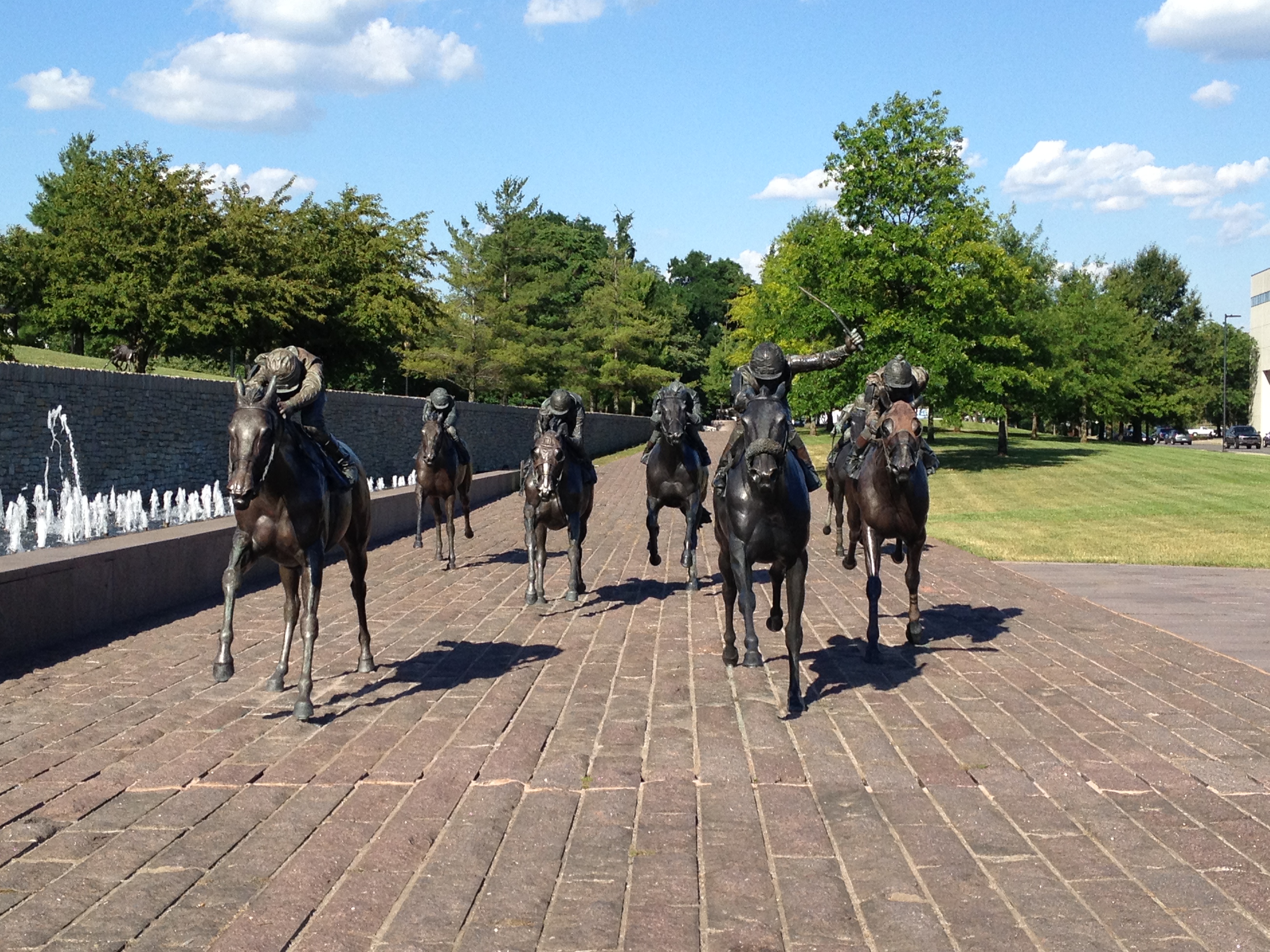
The better part of my travels this year have taken me through the middle belt of the United States, from Montana to Texas. In most cases, horses are for stock and many of the towns have far more cattle than people. While Lexington is without question more of a concrete jungle than many of places I’ve been lately, a couple hours of talking about cattle management in the bluegrass quickly reminded me of one of my favorite characteristics of the beef community – diversity.
One of my choice topics to discuss with cattlemen and women is, “How do you manage cattle in your part of the world?” A simple question with so many different answers. In Kentucky, you might get responses alluding to modest herd sizes and cooperatives that allow multiple small breeders to combine cattle for more effective marketing. On a good year in the Ohio River Valley, pasture management is referenced in cows per acre, not acres per cow.
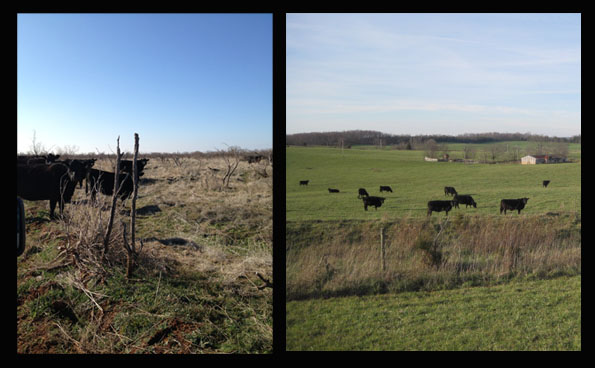
From where you are today, you may need 20,000 acres or 200 acres to maintain your herd. Your family may be fully supported by cattle production or you may diversify in farming or other business.
No matter how you do things in your part of the world, always remember that you are never too large or small to get better, aim for quality, and do what you can to add more black ink to your bottom line.
~Kara
You may also like
Texas Ranch Received CAB Ambassador Award
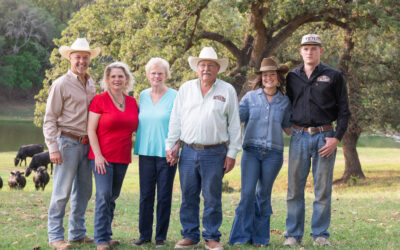
Visitors to 2 Bar C Ranch near Luling, Texas, often describe the quiet first. That peace reflects low-stress cattle care, seedstock bred for the whole beef chain and a family that opens its gates, earning the 2026 CAB Ambassador Award.
Built For the Long Haul
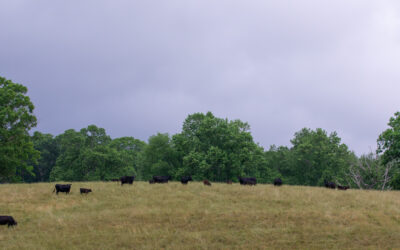
Thirty-one inches of rain in 48 hours tested Biltmore Estate’s 130-year commitment to remain a profitable, working agricultural estate. Through Hurricane Helene recovery and high-quality Angus genetics, Biltmore stewards its land, livestock and community, earning the 2026 CAB Sustainability Award.
Jett Stream to Prime
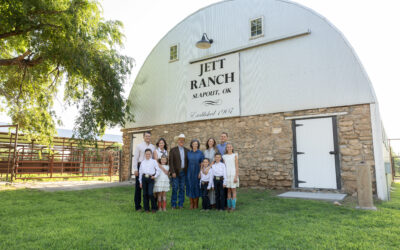
In the Oklahoma Panhandle, four generations built a herd defined not by the odds against it, but by standards never lowered. That commitment drove decades of genetic and management improvements, taking Jett Ranch from struggling to reach Prime to more than 70% Prime today, and earned the ranch the 2026 CAB Commercial Commitment to Excellence award.