Scared of losing your shirt?
By: Miranda Reiman
October 24, 2011
I interviewed Barb Downey four years ago. In the meantime I had two kids and moved to a different state. She ran the Boston Marathon. (Wow.)

But in all that time I can still remember one of her most emphatic quotes during our pickup ride through her picturesque Flint Hills pastures:
“The best thing we ever did for our bottom line was to investigate retained ownership.”
You can read the whole story I wrote that year (Open to Suggestion), but the summary notes are that she and her husband started out feeding through an early CAB value-discovery program. Then they made the plunge to full retained ownership.
They gradually started to build on a small base of registered Angus cattle they started in 1993 and now they believe so much in retained ownership that they encourage their bull-buying customers to do the same.
So let me use their example to help bust this one:
Myth–Retaining ownership is a good way to lose a pile of money!

Fact—Sure, every year is different and there’s no guarantee that you won’t lose money, and a lot of it, retaining ownership. But the odds are greatly in your favor if you do a little homework, and there is a pile of good data that says it’s still a sound strategy.
During a summer interview, Darrell Busby, of Iowa’s Tri-County Steer Carcass Futurity (TCSCF), mentioned that last year was the most profitable year they’ve had. Producers averaged more than $140 per head.
“Profit is the happiness index of the beef industry and when you retain ownership and make a profit, then things go well,” he said.
Of course it’s important to note that’s AVERAGE. If your cattle are better than average, that number could be higher. If your cattle are poorer than average,then you’ll want to change that fact,or be prepared for results you won’t want to talk about.
Barb Downey is so convinced that it’s making her more money, she posts her results on the ranch’s website.
Of course it’s a scary move to make; a sure deal versus the unknown. Luckily there are tools to help:
- The Calf Price Breakeven Calculator can help you pencil out the economics of selling calves vs. feeding your cattle.
- Talking to a helpful feeder can make all the difference. Many CAB-licensed feedlots offer partial ownership options and can ease you into the feeding arena.
- Hearing other people’s stories can give you some ideas, and a shot of confidence. Steve is a prime example (remember his introductory blog post?), and Jen just told us about Cooper and Katie Hurst. Or head on over to the Angus Journal archives and search for “retained ownership.”
Have you tried this marketing strategy? What was it like to make that leap? Any advice for others?
May your bottom line be filled with black ink,
~Miranda
You may also like
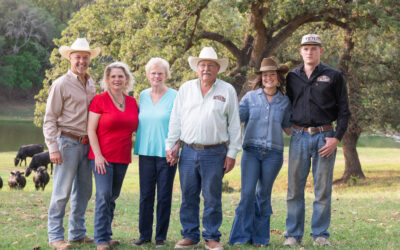
Texas Ranch Received CAB Ambassador Award
Visitors to 2 Bar C Ranch near Luling, Texas, often describe the quiet first. That peace reflects low-stress cattle care, seedstock bred for the whole beef chain and a family that opens its gates, earning the 2026 CAB Ambassador Award.
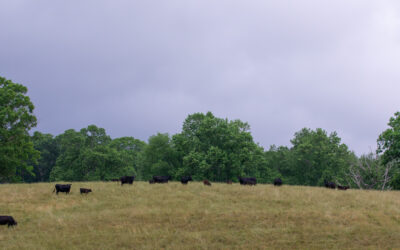
Built For the Long Haul
Thirty-one inches of rain in 48 hours tested Biltmore Estate’s 130-year commitment to remain a profitable, working agricultural estate. Through Hurricane Helene recovery and high-quality Angus genetics, Biltmore stewards its land, livestock and community, earning the 2026 CAB Sustainability Award.
Jett Stream to Prime
In the Oklahoma Panhandle, four generations built a herd defined not by the odds against it, but by standards never lowered. That commitment drove decades of genetic and management improvements, taking Jett Ranch from struggling to reach Prime to more than 70% Prime today, and earned the ranch the 2026 CAB Commercial Commitment to Excellence award.