
High-marbling cattle cant survive our _____.
May 6, 2011
We may have just celebrated Mother’s Day, but I know one maternal figure many farmers and ranchers have a love/hate relationship with. You know, the one that can determine profit or loss in an instant, the one who changes her mind at a whim: Mother Nature.
My heart breaks for those in constant fear of fire, having to leave their life’s work on moment’s notice not sure if it will be ashes when they return.
As I read stories about the deliberate levee break in Illinois that flooded Missouri farms, I wept. You know as well as I do how invested producers are in their land—and I’m not just talking monetarily.
At my family’s farm in Minnesota, they just recently got in the field, because it was too wet and around here (although this pales in comparison) it’s been too cold to get much planted in my garden. Although it warmed up this weekend, it even froze yet last week.
All of these weather-related challenges remind me of a myth that I hear at many places around the nation, it doesn’t matter if they’re far north, far south, in high country or low country. I hear this “excuse” a lot:
Myth—High quality cattle aren’t suitable for my region.
Fact—There are plenty of challenging situations across the country that call for an individual approach. The ability to adapt is one of the great strengths of the beef industry. Folks say,“Those high marbling cattle can’t survive our _______. (Insert: harsh winters,high altitude, heat, dry conditions, fescue, and the list goes on and on.)
But we know it can be done, because there are producers who prove it.
Deep in Southwest Texas, 150 miles from El Paso, lives Jon Means. In his country it’s not unusual to get 30 to 40 summer days over 100 and their annual rainfall is just 12 inches. Yet, he raises Angus cattle with an eye on quality. When we did a story on him a decade ago, his cattle were reaching 90 to 100% Choice, with half of them qualifying for Certified Angus Beef ®.
The Kleeman brothers near Braymer, Missouri, aim for quality through AI, but when they purchase clean up bulls, they’re local. That’s to make sure they’re adapted to the fescue that region is known for. When Steve visited a couple years ago, they were hitting above average CAB acceptance with more than ¾ of their cattle reaching yield grade 1 or 2.
Charles Mogck carries on a three-generation tradition of raising cattle in South Dakota winters. He and his cattle know what cold feels like, and they do just fine. He buys back customer cattle that routinely grade 85% Choice and up to 50% CAB.
What works for a Montana rancher or New York farmer might not be even a remote possibility for a producer in Mississippi. But one realm of production that need not be abandoned based on your physical coordinates is a focus on quality. The truth is those cattle can survive and thrive anywhere.
The diversity of genetics available from successful producers near your farm or ranch lets you look for those that will fit consumer demand while keeping all of your other production criteria front and center. It might take some extra attention to find and fine-tune them, but they’re out there.
If you want more proof, just ask us. We can share story after story. If you have your own success story of tackling the elements and quality in the same equation, we’d like to hear it—leave us comment.
May your bottom line be filled with black ink,
~Miranda
You may also like
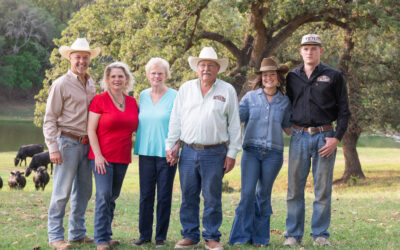
Texas Ranch Received CAB Ambassador Award
Visitors to 2 Bar C Ranch near Luling, Texas, often describe the quiet first. That peace reflects low-stress cattle care, seedstock bred for the whole beef chain and a family that opens its gates, earning the 2026 CAB Ambassador Award.
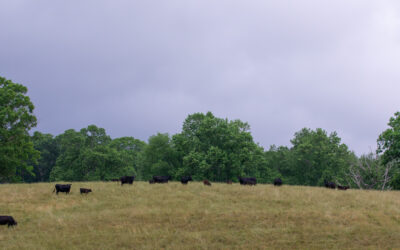
Built For the Long Haul
Thirty-one inches of rain in 48 hours tested Biltmore Estate’s 130-year commitment to remain a profitable, working agricultural estate. Through Hurricane Helene recovery and high-quality Angus genetics, Biltmore stewards its land, livestock and community, earning the 2026 CAB Sustainability Award.
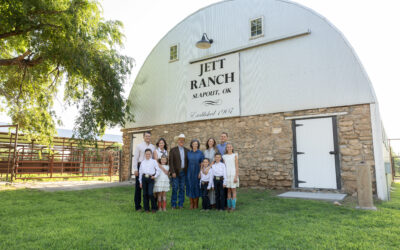
Jett Stream to Prime
In the Oklahoma Panhandle, four generations built a herd defined not by the odds against it, but by standards never lowered. That commitment drove decades of genetic and management improvements, taking Jett Ranch from struggling to reach Prime to more than 70% Prime today, and earned the ranch the 2026 CAB Commercial Commitment to Excellence award.