
It’s technically artificial, but the benefits of AI are real
March 9, 2011
I am a true-blue, loyal farm radio fan. I live in central Nebraska, just down the road from KRVN, so that’s what’s blaring in my office from sun-up to quitting time. They’re full of valuable information and when they play music, it’s squarely country and usually includes some of greats.
Another benefit? I get a daily reminder of the things farmers and ranchers are thinking about this time of year and that gets me thinking. Right now the AM station’s auction listing is dominated by bull sales. As I was listening to “Auction Time” yesterday, I had flashbacks to my story on Dave Guenzi and the expert who provided input on breeding programs in that story. (Spoiler: Most of Guenzi’s genetics are purchased from a catalog.) There’s more to that conversation that I must share.
Hill helped Guenzi start his AI (artificial insemination) program and pointed out many benefits commercial producers see from using it. (Of course I recognize he’s technically a biased source, since he’s in the semen business, but that also makes him highly informed on the topic.)
Here is some of the wisdom he shared:
- “When you are using AI, you are only using the proven superstar.”—Rather than having to buy 10 bulls (and get calves out of all them) to find the great one, you can breed your females to the same standout.
- “I have many customers that synchronize and breed AI for the calving dates and the genetics become gravy.”—By AI’ing you can narrow your calving season and get calves on the ground earlier. The better genetics are just another added benefit.
- “One way to make cattle bring more money is to make them all look alike.”—AI doesn’t just create uniformity in terms of age, but also in type, weaning weight and all end-product measures.
- “We don’t care about population genetics, other than to find the outlier and use him heavily.”—That’s the philosophy he applies to the Guenzi herd and one of the huge benefits of AI. They are looking to build cows, carcass and growth simultaneously. When they find one bull that works, they use him on all the cows for 3 years in a row.
So as you head to bull sales this spring, you might do some thinking of your own. After all, only 10% of cattlemen currently use AI. If you want some food for thought, check out the example story of how producers in Missouri are making loads that reach up to 86.8% Certified Angus Beef ® and CAB Prime.
More work? Yes. Worth it? Yes.
May you bottom line be filled with black ink,
Miranda
You may also like
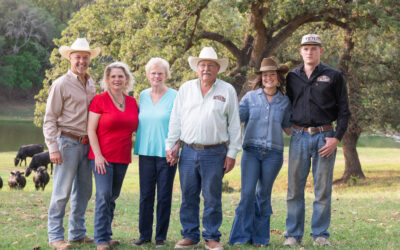
Texas Ranch Received CAB Ambassador Award
Visitors to 2 Bar C Ranch near Luling, Texas, often describe the quiet first. That peace reflects low-stress cattle care, seedstock bred for the whole beef chain and a family that opens its gates, earning the 2026 CAB Ambassador Award.
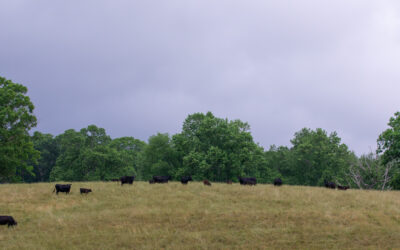
Built For the Long Haul
Thirty-one inches of rain in 48 hours tested Biltmore Estate’s 130-year commitment to remain a profitable, working agricultural estate. Through Hurricane Helene recovery and high-quality Angus genetics, Biltmore stewards its land, livestock and community, earning the 2026 CAB Sustainability Award.
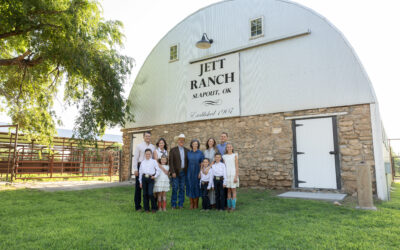
Jett Stream to Prime
In the Oklahoma Panhandle, four generations built a herd defined not by the odds against it, but by standards never lowered. That commitment drove decades of genetic and management improvements, taking Jett Ranch from struggling to reach Prime to more than 70% Prime today, and earned the ranch the 2026 CAB Commercial Commitment to Excellence award.