Call the cattle ‘Hoover’
We were sitting in her parked truck, next to the old house where her grandfather was raised, cattle to our left and behind us.
“Just call the cattle ‘Hoover’,” Landi Livingston said matter-of-factly.
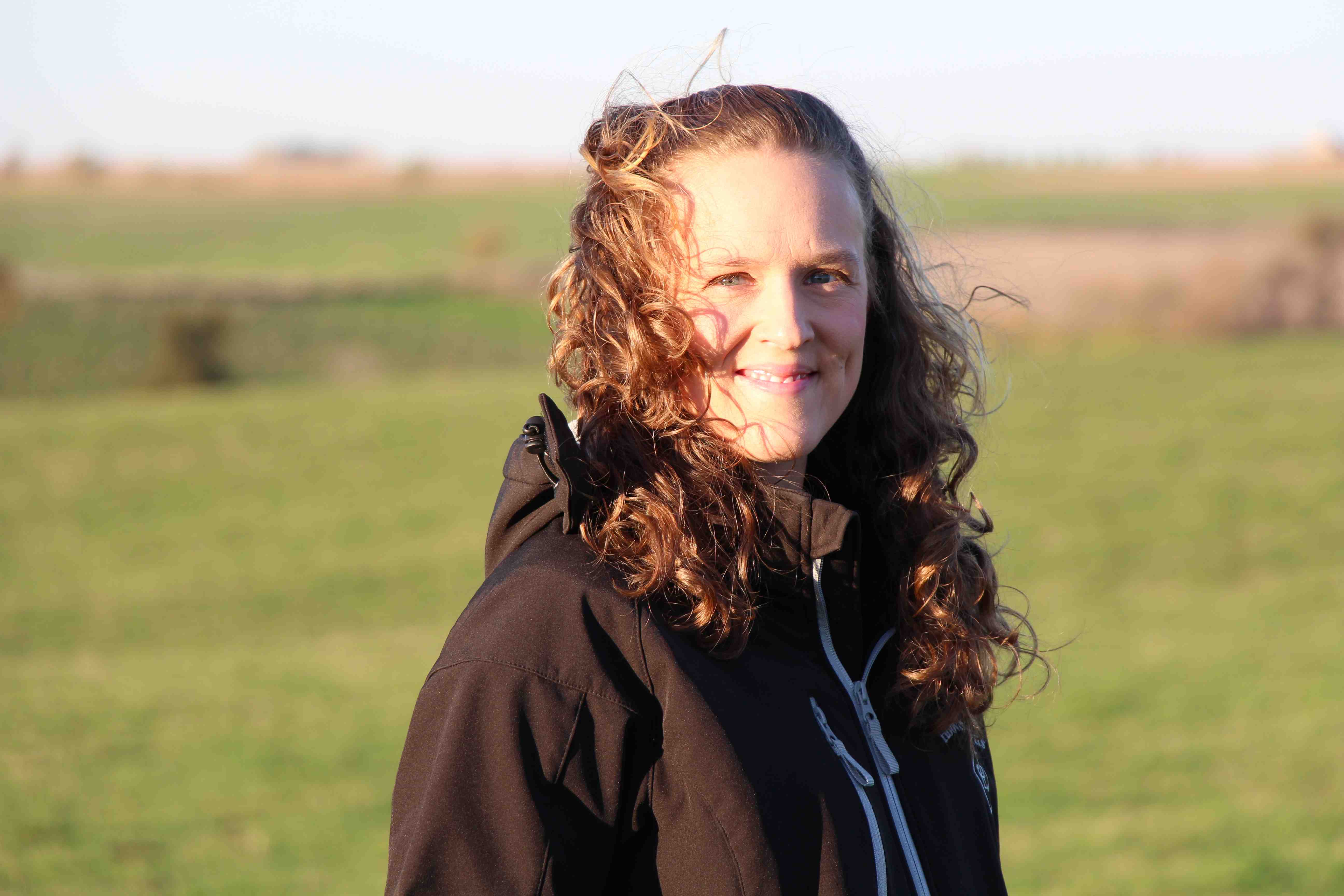
It was one of the first times I went with an angle.
Writers, we all have our own [arguably odd] methods of gathering material for stories. This one, what I had coined “the Landi McFarland piece,” was different than most of mine. I knew what I wanted to write about, how I would tell you about it well before I set foot on the farm.
Hoover. The naming can get a bit tricky – the reason was why I was there in the first place.
The Hoover herd, an Angus seedstock operation near Ellston, Iowa, is known through that part of the country for traits like disposition and growth. A lesser known fact, perhaps, are the leading ladies who have kept it intact.
“The farm’s come down through the firstborn daughter,” Landi says of the herd her great-grandfather Walt Hoover started in 1928. From there, his daughter Barb, her daughter Joy and her daughter Landi made up the three generations that followed.
“When people say, ‘are you a Hoover,’ it’s technically Hoover, Kiburz, McFarland and now, Livingston.’”
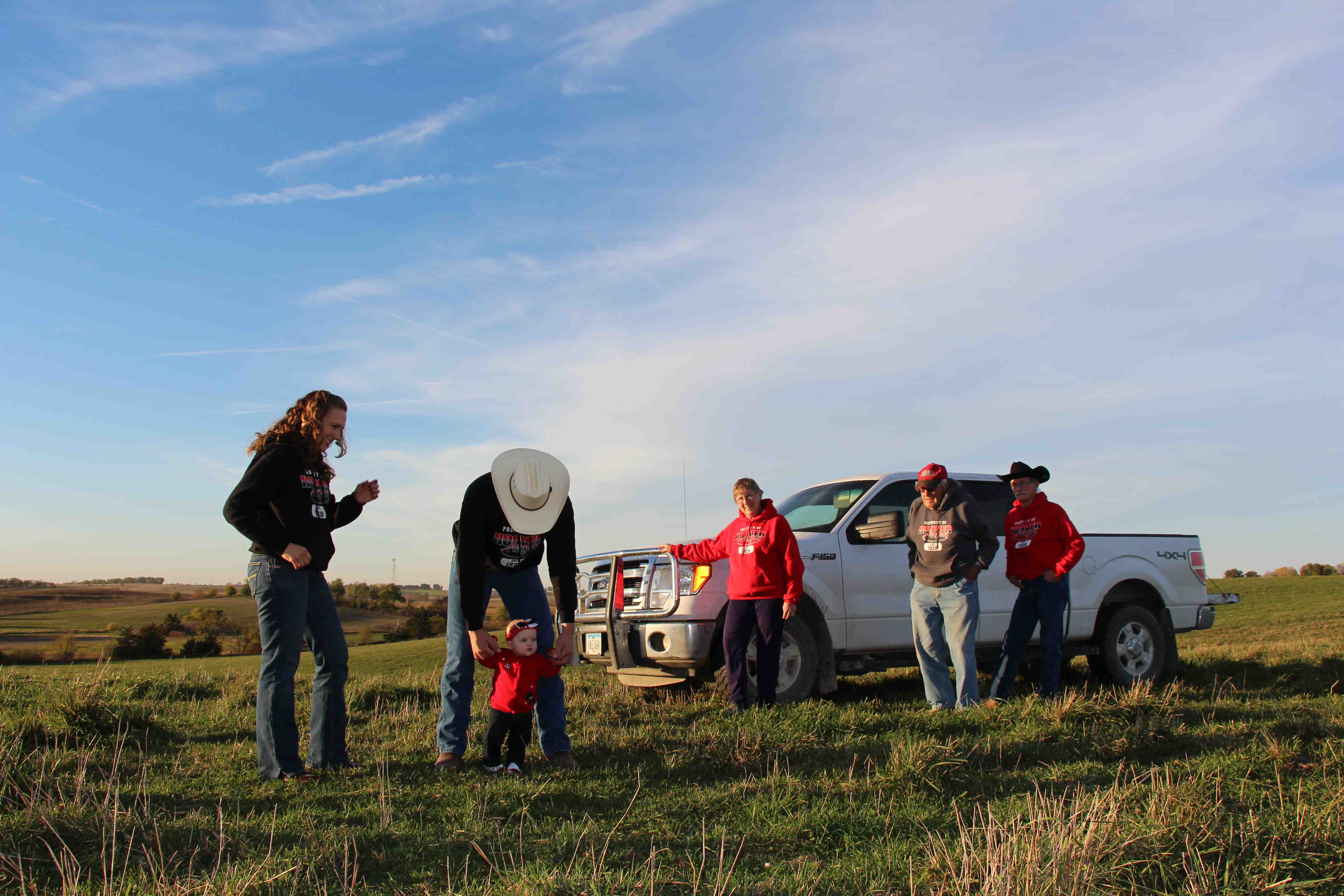
Landi’s daughter Gwen, who, by then had joined us for the morning’s conversation, could be the fourth gal to take over – but her name won’t change for a good, long while. She’s barely one.
“Right now, Hoover Angus is supporting three generations of our family, four if you count Gwen,” Landi says. “We don’t have other businesses, we don’t have off-the-farm jobs. We don’t have investments in other industries. The cattle have to pay the bills.”
More than that, Angus pairs are bred and cared for with customers in mind. Genetics from the Hoover herd help pay their bills, too.
“Even though most of our customers aren’t feeding their calves or selling them on a grid, everything comes down to those cattle feeding someone,” Landi says.
That’s why, in addition to stacking traits at the front end, she places emphasis on carcass traits as well. As an Angus genetic supplier, it’s simply expected that the program include a focus on premium beef targets like the CAB brand.
“Our customers aren’t traditionally getting paid based on marbling,” she says, “but it’s my philosophy that we need to keep raising the bar for them.”
People want quality and she helps ensure it by studying and selecting the right EPDs.
A morning can’t start early enough for the farmer’s daughter. With one little one and another on the way, often before sunrise, she’s out with the cattle – studying them, acknowledging that they live and carry out what she dreams up on paper.
“Hey girl,” she says to her favorite 2-year-old this year, stepping close enough for the heifer to sniff her hand through a glove.
“We’re expecting a lot of good things from this one,” Landi says.
That’s true of the herd. True of the owner.
Thanks for allowing me to tell your story,
Laura
PS – To read more about Landi and Hoover Angus, check out the April issue of the Angus Journal.
You may also like
Texas Ranch Received CAB Ambassador Award
Visitors to 2 Bar C Ranch near Luling, Texas, often describe the quiet first. That peace reflects low-stress cattle care, seedstock bred for the whole beef chain and a family that opens its gates, earning the 2026 CAB Ambassador Award.
Built For the Long Haul
Thirty-one inches of rain in 48 hours tested Biltmore Estate’s 130-year commitment to remain a profitable, working agricultural estate. Through Hurricane Helene recovery and high-quality Angus genetics, Biltmore stewards its land, livestock and community, earning the 2026 CAB Sustainability Award.
Jett Stream to Prime
In the Oklahoma Panhandle, four generations built a herd defined not by the odds against it, but by standards never lowered. That commitment drove decades of genetic and management improvements, taking Jett Ranch from struggling to reach Prime to more than 70% Prime today, and earned the ranch the 2026 CAB Commercial Commitment to Excellence award.