Better beef on the horizon
The sun was just peeking over the hills surrounding Hardyville, Ky., when I drove right past Jay McCoy’s ranch. My GPS told me I had arrived, but I knew there was no way his was the place surrounded by Holstein cattle.
On the hunt for pastures that told me I had arrived at a commercial cattle ranch, I found nothing and begrudgingly turned my car around and up the driveway towards the Holsteins, wondering exactly what I was about to find.
Jay quickly set my heart at ease.
“We run a dairy backgrounding operation too, but let me tell you about my real passion — the cow herd.”
You can hear it in his voice, the way he cares about his 150 Angus-cross commercial cows. From the backseat of the pickup, his mother and business partner, Sharon, tells me all he’s ever wanted to do is work with cattle.
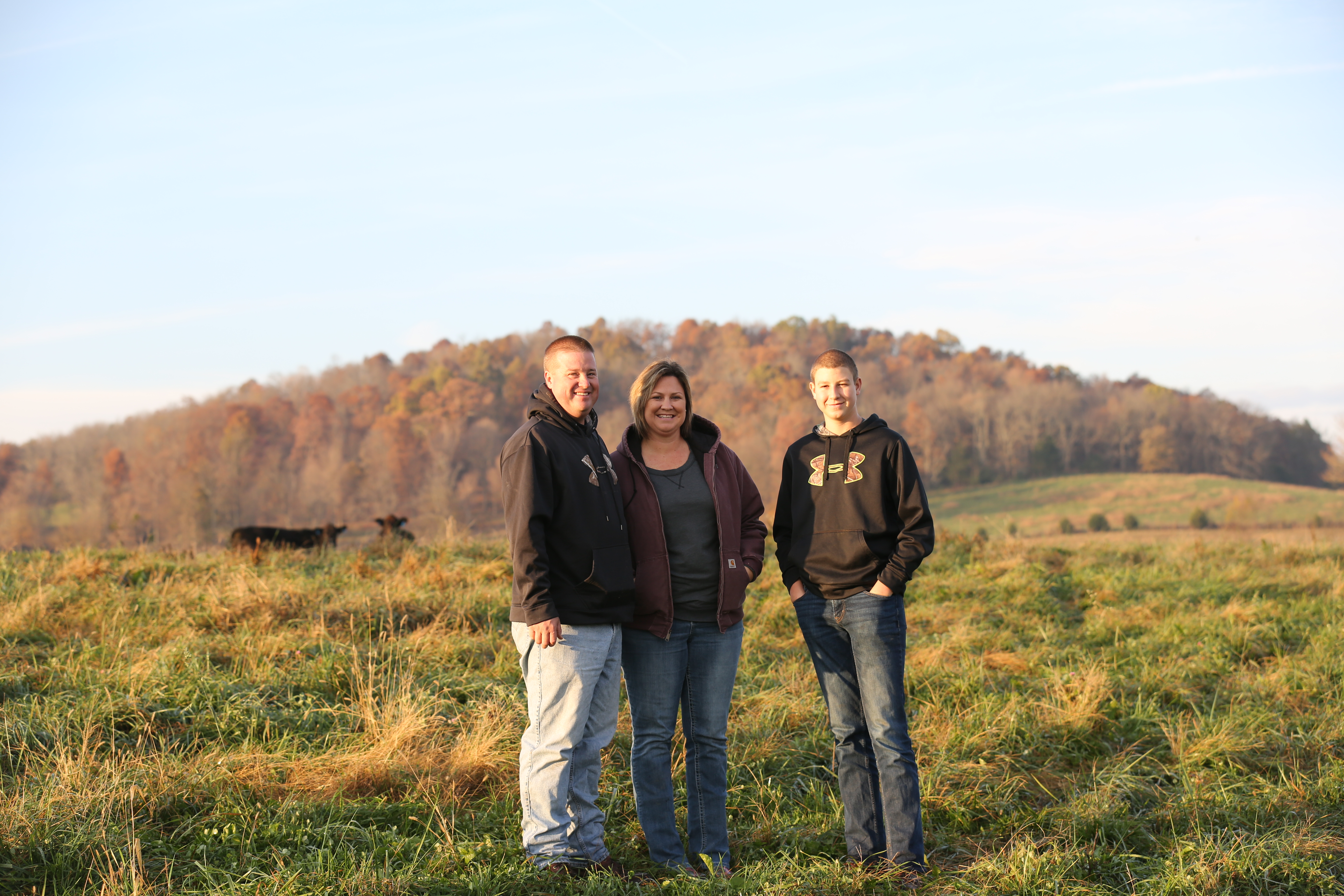
“This is what I want to do everyday,” he says gesturing to the beef cows grazing in the pasture. “Keep breeding black cows that will grow our numbers and perform here on the ranch and beyond.”
In 2002, when the mother and son duo purchased the land they run cattle on today, their herd consisted of just 20 cows. Since then, they’ve focused on consistently investing in the best Angus genetics they can afford to make progress toward their goals.
“The end consumer is always on our mind because, ultimately, that is the determining factor whether we survive or fail,” Jay says. “We want to produce the very best animal we can that works both for the farm and the restaurant.”
It’s something he and his seedstock supplier, James Coffey, agree on.
“We focus on adding value all the way through the production chain, beginning with genetic selection and ending with the Certified Angus Beef® brand,” James says.
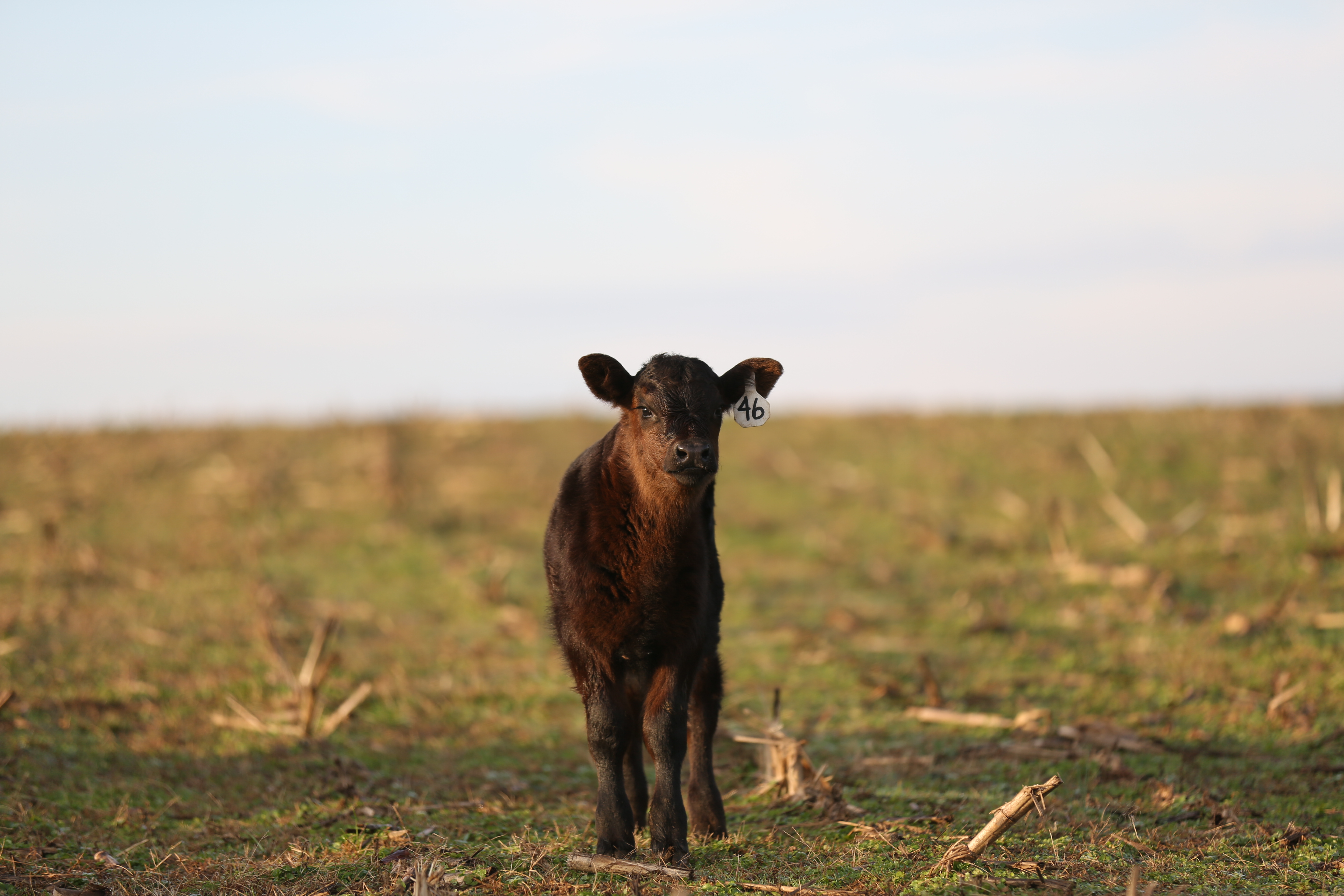
Typically, Jay would raise his calves to 800 pounds and then send them on to the local salebarn, but this year, he’s doing things differently. Partnering with James, Jay sent his spring 2017 calf crop to Pratt Feeders in Kansas.
He wants to know if what he’s doing on the ranch is really working, “to get the information back and understand how they are really performing.”
He didn’t mind my asking him to show me around the ranch at sunrise so we could capture optimal lighting for photos and, even with the early hour, excitedly shared what’s on the horizon for his herd.
“This will be the ultimate test, getting some of our carcass data back,” Jay tells me. His goal is to use the data to get a better picture of how his cattle perform after leaving his ranch – something he can’t get at the local sale barn.
He doesn’t know exactly what the data will tell him, but he knows it will help him make decisions that result in higher quality beef.
Until next time,
Nicole
You may also like
Texas Ranch Received CAB Ambassador Award
Visitors to 2 Bar C Ranch near Luling, Texas, often describe the quiet first. That peace reflects low-stress cattle care, seedstock bred for the whole beef chain and a family that opens its gates, earning the 2026 CAB Ambassador Award.
Built For the Long Haul
Thirty-one inches of rain in 48 hours tested Biltmore Estate’s 130-year commitment to remain a profitable, working agricultural estate. Through Hurricane Helene recovery and high-quality Angus genetics, Biltmore stewards its land, livestock and community, earning the 2026 CAB Sustainability Award.
Jett Stream to Prime
In the Oklahoma Panhandle, four generations built a herd defined not by the odds against it, but by standards never lowered. That commitment drove decades of genetic and management improvements, taking Jett Ranch from struggling to reach Prime to more than 70% Prime today, and earned the ranch the 2026 CAB Commercial Commitment to Excellence award.