Ovine to bovine
I was a sheep kid growing up.
My home life was cattle, we made a living off of them entirely, but I loved showing sheep the most.
I could go on and on about the animal but the industry itself I had no interest in – cattle ranching runs through my blood.

I met Fred Roberts this summer outside a diner in western Wyoming. He ordered his coffee and I asked him questions about Angus cattle. Fred’s a sheep guy, too.
“Four years ago we had 8,000 ewes,” he says. “I miss the sheep a lot.”
I can see it in his half smile, his reminiscent eyes. The cattle make sense but the sheep made him happy.

Labor and predation issues and the next generation who preferred to stay in one place yearlong led Fred to sell. That left all his attention to the bovines.
“I started checking and liked different attributes of the Angus cow better,” he says. Decades ago, he suggested his dad move away from Herefords.
Gesturing to a group of two- and three-year-olds gathered off the mountain for a drink, he tells me, “It’s for the obvious reasons.”

He says that’s how he “got going with the blacks.” He’s stayed because they work.
Marketability, calving ease, good health, that’s what Fred found to be true of his choice.
“Then there’s the opportunities given what the Angus breed has done with Certified Angus Beef ®,” he says.
That profit potential isn’t automatic, he’ll make clear. Feeding calves through harvest lets him know if he’s making the best decisions year after year.
“You spend a lot of money on genetics. That’s the only way you’re going to realize if you’re improving or not.”

A decade’s worth of data shows he’s done it. For the consumer and for himself.
From 2015 to 2017, his cattle that earned CAB or Prime premiums grew by more than 10 points, to 40%. A recent group of 297 steers and heifers went 91% Choice and better.
“He looks for genetics to increase the maternal side of the cow, but he’s also trying to improve the end product,” Gary Darnall says. The owner-manager of Darnall Feedyard, near Harrisburg, Neb., has seen Fred’s commitment for 12 years. “It’s a business decision with Fred, number one. Whatever it is, he’s always striving.”

I compliment his herd as we push a few escape artists to the other side of the fence.
“Let me put it this way,” he says: “I’ve tried.”
He’s done that and so much more with his cattle on the mountain.
Thanks for allowing me to tell your story,
Laura
PS – to learn more about what genetic traits are top of mind and why Fred says he’ll stay with Angus, check out upcoming issues of the Angus Journal and Angus Beef Bulletin.
You may also like
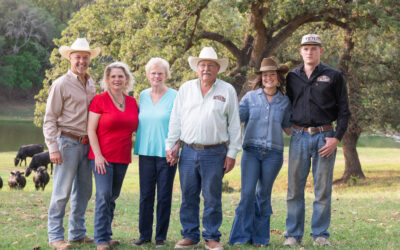
Texas Ranch Received CAB Ambassador Award
Visitors to 2 Bar C Ranch near Luling, Texas, often describe the quiet first. That peace reflects low-stress cattle care, seedstock bred for the whole beef chain and a family that opens its gates, earning the 2026 CAB Ambassador Award.
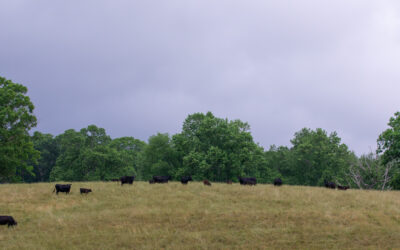
Built For the Long Haul
Thirty-one inches of rain in 48 hours tested Biltmore Estate’s 130-year commitment to remain a profitable, working agricultural estate. Through Hurricane Helene recovery and high-quality Angus genetics, Biltmore stewards its land, livestock and community, earning the 2026 CAB Sustainability Award.
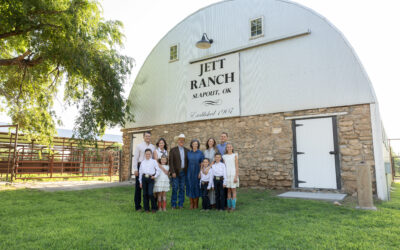
Jett Stream to Prime
In the Oklahoma Panhandle, four generations built a herd defined not by the odds against it, but by standards never lowered. That commitment drove decades of genetic and management improvements, taking Jett Ranch from struggling to reach Prime to more than 70% Prime today, and earned the ranch the 2026 CAB Commercial Commitment to Excellence award.