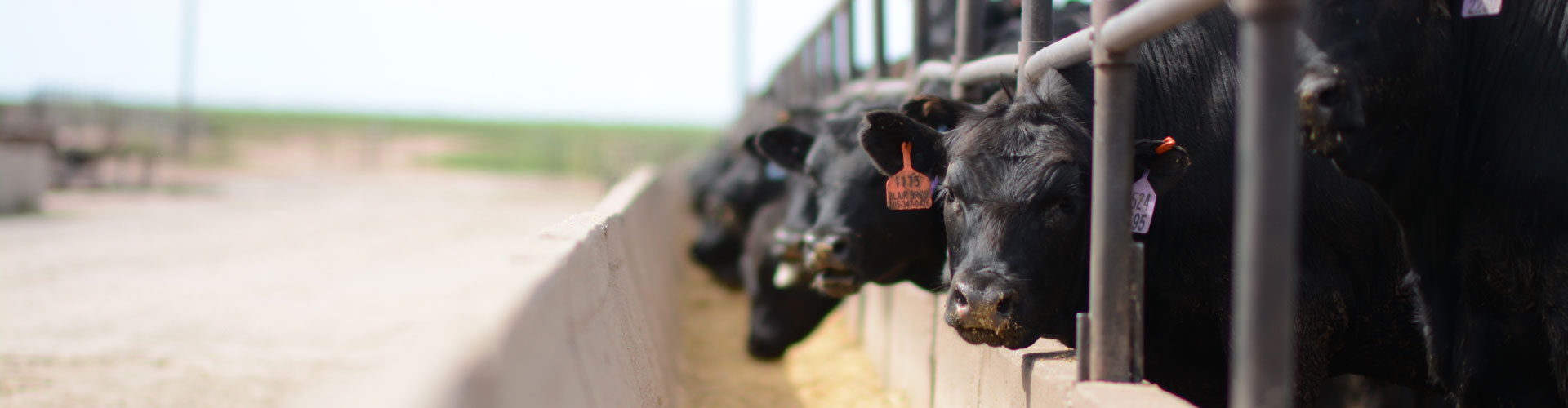
Predictable cattle in a business that’s anything but
In a world where changes seems hard to predict, where prices are volatile and weather is, too, it’s nice to have something constant to rely on.
That’s what Nebraska cattle feeder Terry Beller has in Montana rancher John Riley.

“The cattle, they’re real predictable. I know how they’ll gain. I know how they’ll grade, and he’s got enough stretch in them so that if I have to play the market card for a few weeks or even a month and fight it just a little bit, his cattle will continue to grow and grade,” says the Lindsay, Neb., producer.
Spring-born calves are weaned in November and then backgrounded on the Riley Ranch, a partnership between John’s family and his brother Mike’s.
“We’re feeding them in the 70- to 80-day range—it kind of takes the bawl out of them,” John says. The key to perfecting that growing phase? “Time. You know, we had to learn how to feed those kind of cattle.”
Dried distillers grains (DDGs) helped, too, bringing up the protein levels with a cost competitive and palatable feedstuff.
As I visited John on one of those perfect spring days, I thought everything about him and his cattle seemed solid. Then my chat with Terry earlier this week confirmed it.
“They get in my yard and it’s just a quick transition onto feed and away they go,” Terry says. “They don’t look back.”

Many years Riley will source sires from the Midland Bull Test, always studying numbers like the American Angus Association’s beef value index ($B), and EPDs for docility, growth and marbling. He’s looking for improvement and balance.
“All the genetic testing and stuff…..to me, you’re somewhat obligated to yourself to explore it. That’s good, solid information that you probably should be using if it’s there to use,” he says.
If his dad were around to see it, John says he would be mystified by the volume of data available and used today, but he might well be proud of the relationship the ranch has built with its customer.

For close to two decades now, at the end of January, Terry comes up to Volborg, Mont., to take delivery of the Riley calves. Trust runs deep, so there’s no need to be on-site, but the Bellers wouldn’t miss it.
“It’s gotten to be a family getaway almost,” Terry says. “Our families have become close.”
They’ll keep up on milestone events, and say an extra prayer for each other when one’s needed. Then when it’s time to get down to business, they settle on a fair price.
“Over all the years, he calls me first,” Beller says. “I know when his cattle are coming. I plan on him and he plans on me.”
Steady.
“What price can you put on relationships like that?” Terry asks, and then answers, “You can’t.”
May your bottom line be filled with black ink,
Miranda
PS–Watch the Angus Journal later this year to see the rest of the Riley story.
You may also like
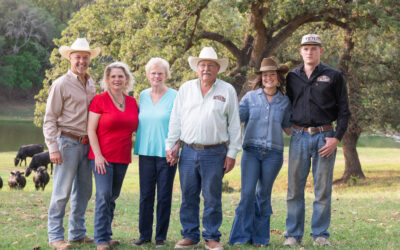
Texas Ranch Received CAB Ambassador Award
Visitors to 2 Bar C Ranch near Luling, Texas, often describe the quiet first. That peace reflects low-stress cattle care, seedstock bred for the whole beef chain and a family that opens its gates, earning the 2026 CAB Ambassador Award.
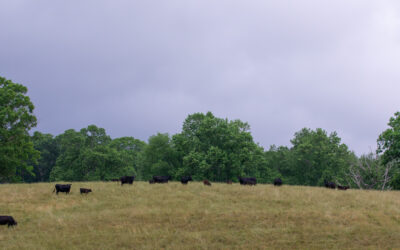
Built For the Long Haul
Thirty-one inches of rain in 48 hours tested Biltmore Estate’s 130-year commitment to remain a profitable, working agricultural estate. Through Hurricane Helene recovery and high-quality Angus genetics, Biltmore stewards its land, livestock and community, earning the 2026 CAB Sustainability Award.
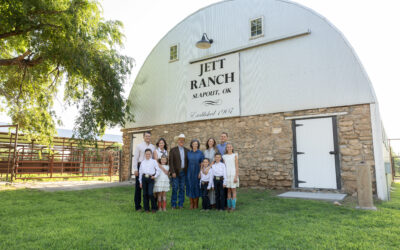
Jett Stream to Prime
In the Oklahoma Panhandle, four generations built a herd defined not by the odds against it, but by standards never lowered. That commitment drove decades of genetic and management improvements, taking Jett Ranch from struggling to reach Prime to more than 70% Prime today, and earned the ranch the 2026 CAB Commercial Commitment to Excellence award.